STI/SPFA recently spoke with Jon Ward, Chief Executive Officer at Ward Vessel and Exchanger, about his career in the steel fabrication industry.
STI/SPFA: Tell us about the history of your company.
Jon Ward: Ward Vessel and Exchanger is a family-owned business built on hard work, craftsmanship, and relationships.
We are manufacturers of ASME Code pressure vessels and heat exchangers. We started with a simple vision to exceed industry standards, provide incredible people centric experiences, and to enhance our community through superior engineering solutions.
Over the years we have grown from a small operation into a trusted partner for customers across a wide range of industries, operating out of two locations in Charlotte, North Carolina and Houston, Texas.
What has not changed is our commitment to doing the right things the right way, staying focused on our people, and delivering quality products that stand the test of time. We are grounded in the belief that it is not what we do but how we do it, and we take pride in the way we do it every day.
STI/SPFA: How did you get your start in the industry?
Ward: I started out pushing a broom and working on the shop floor during the summers, which gave me an early appreciation for the work and the people behind it. In college, I worked part time in drafting and engineering roles, building a strong technical foundation.
After college, I spent about five years in construction out west, gaining firsthand experience on jobsites and seeing how projects come together in the field. That perspective translated well back into fabrication when I stepped back into the business at the end of 1998, and it continues to shape how I approach the business today.
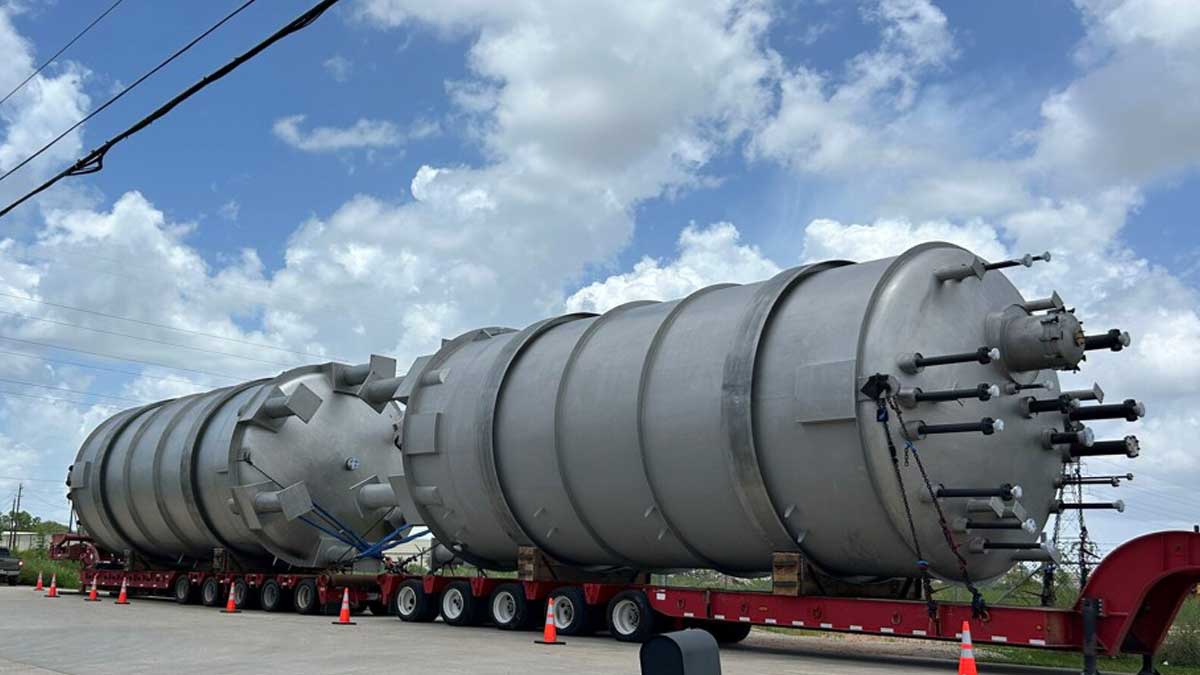
Pharma Tanks
STI/SPFA: What do you like best about working in the industry?
Ward: The people, without question. This is a relationship driven industry built on trust and teamwork.
I also enjoy the complexity of the work and the challenge that comes with each project. There is something special about building something tangible and seeing it go from concept to completion. That never gets old.
STI/SPFA: What has been the greatest challenge in your career?
Ward: Learning how to grow the business while staying true to our values and culture has been the biggest challenge. That requires discipline, consistency, and staying aligned through regular quarterly strategic sessions while keeping the greater good in constant sight.
Another key lesson has been understanding that the people who help you get to one level are not always the ones who help you break through to the next. As a leader, it is important to create opportunities for the people who helped you get there, while also bringing up or bringing in the right people who can take the organization to the next level. It is about honoring the dedicated people and the past while celebrating the future at the same time.
STI/SPFA: What advice would you give someone who is interested in working in the industry?
Ward: Be willing to learn, stay humble, and outwork everyone in the room. This industry rewards consistency and reliability. Focus on building relationships, staying calm, being consistent, and adding value to others.
Take ownership of your personal growth and be accountable. Own it. Small improvements made consistently over time lead to big results.
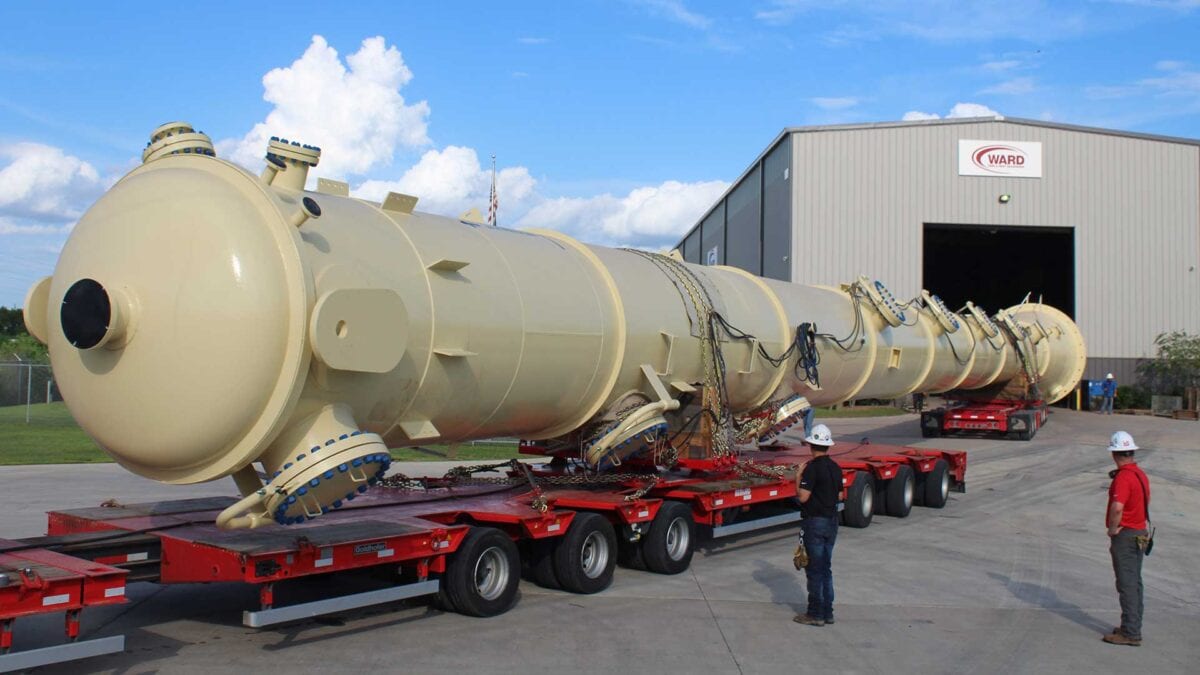
Corpus Christi Project
STI/SPFA: What do you think will be the biggest challenge facing the industry in the next three to five years?
Ward: Workforce development will continue to be a major challenge. Attracting and developing skilled trades talent is critical.
At the same time, global competition and regulatory pressures will remain. The companies that stay disciplined, invest in their people, and execute consistently will be the ones that win.
STI/SPFA: How has STI/SPFA Membership helped you and your company succeed and grow in today’s marketplace?
Ward: STI SPFA has been a valuable partner through advocacy, education, and relationships with peers across the industry. It provides a platform to stay connected to what is happening at a national level while also learning from others who are navigating similar challenges and opportunities.
Those relationships have led to meaningful collaboration, idea sharing, and a broader perspective on how to grow responsibly while managing industry pressures. They have also played a key role in giving us the confidence to expand our footprint, including opening a grassroots facility in Houston, Texas. Having that network of trusted peers made the move more strategic and allowed us to execute with confidence.
At the end of the day, it comes back to people and alignment. Being part of an organization focused on strengthening American steel fabrication helps keep us grounded, forward thinking, and committed to the greater good of the industry.