STI/SPFA recently spoke with Clayton Simons, Territory Manager at AMERICAN SpiralWeld Pipe Co., about his career in the steel fabrication industry.
STI/SPFA: Tell us about the history of your company.
Clayton Simons: Founded more than 25 years ago in Columbia, South Carolina, AMERICAN SpiralWeld Pipe Company is rooted in the legacy of its parent company, AMERICAN Cast Iron Pipe Company (ACIPCO). Building on ACIPCO’s more than century-long reputation for innovation, quality, and integrity in the waterworks industry, AMERICAN SpiralWeld has become a leading manufacturer of spiral-welded steel pipe.
Today, we operate three modern manufacturing facilities across the United States, serving both the waterworks and structural markets. Our products include spiral-welded steel pipe, steel casing, and steel piling, each produced with the same commitment to excellence that defines the AMERICAN name.
STI/SPFA: How did you get your start in the industry?
Simons: Prior to joining AMERICAN, I worked for Nucor Steel trading raw materials. I knew of AMERICAN because I had conducted business with the company on multiple occasions while living in Birmingham, Alabama. In addition to my own positive experiences, anyone who worked with or at AMERICAN had only positive things to say about the people and company culture. Years later, with the desire to remain in the northeast, I found a business development opportunity with AMERICAN that met my personal and professional needs.
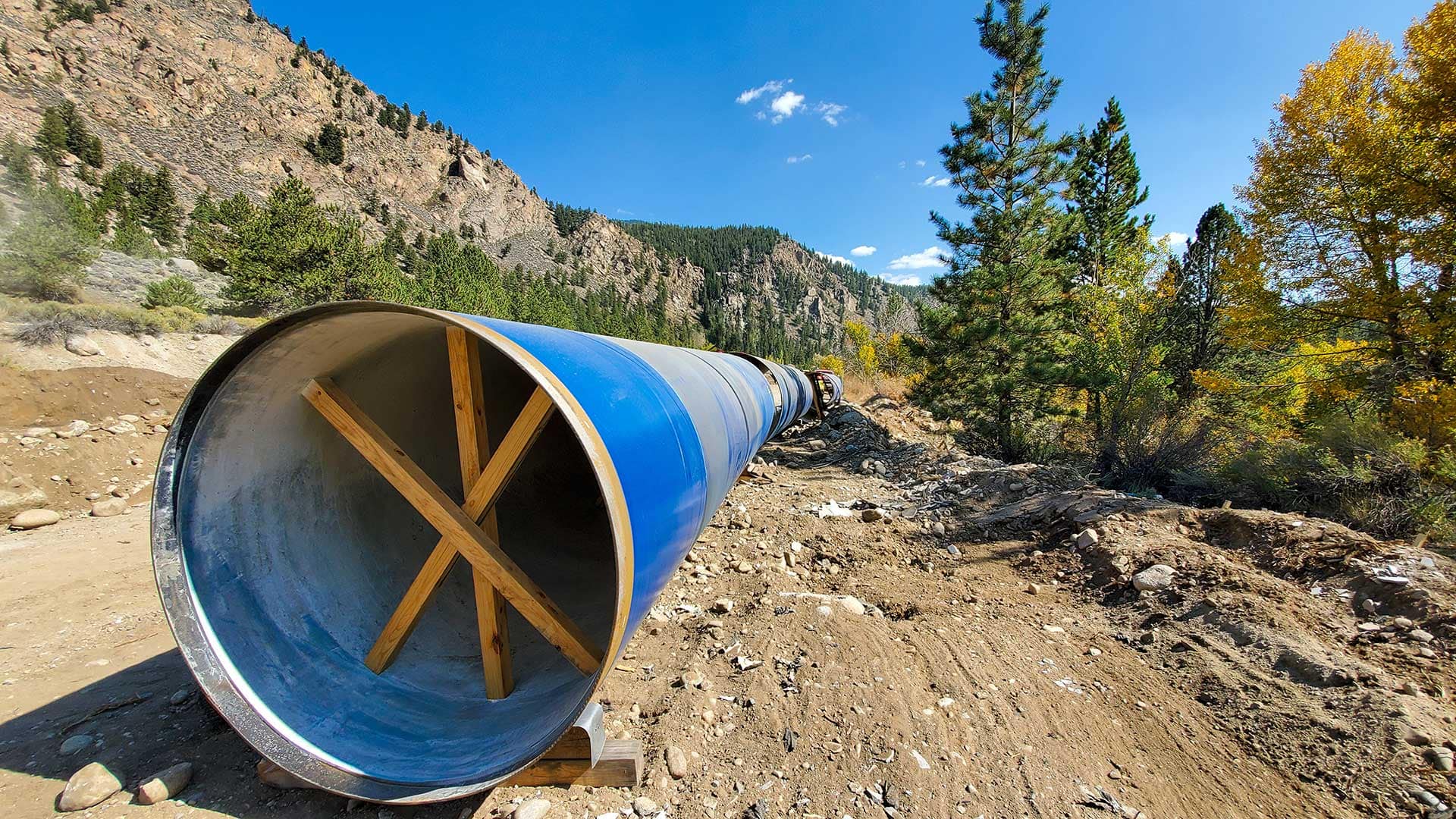
Homestake Pipeline replacement in Buena Vista, Colo.
STI/SPFA: What do you like best about working in the industry?
Simons: Water is essential for life. Working for AMERICAN gives me the opportunity to supply critical infrastructure needed to ensure people and communities continue to have the water they need for drinking, health, and so much more.
STI/SPFA: What has been the greatest challenge in your career?
Simons: As a non-engineer working in a highly technical field with custom, made-to-order products, one of my greatest challenges was building the knowledge needed to have meaningful conversations and lead educational presentations with engineers.
I’m grateful to my knowledgeable colleagues, who patiently answered my questions and generously shared their decades of experience. Those relationships have helped me build a strong network both inside and outside the company.
STI/SPFA: What advice would you give someone who is interested in working in the industry?
Simons: If you want to make a positive impact on the communities where you live and work, the waterworks industry is a great field to consider. It is a tight-knit group working toward the same goal. The individuals are passionate, intelligent, and fun to be around.
As I referenced previously, there will always be a need for drinking water, so a career in the industry has stability and many rewarding and diverse career paths.
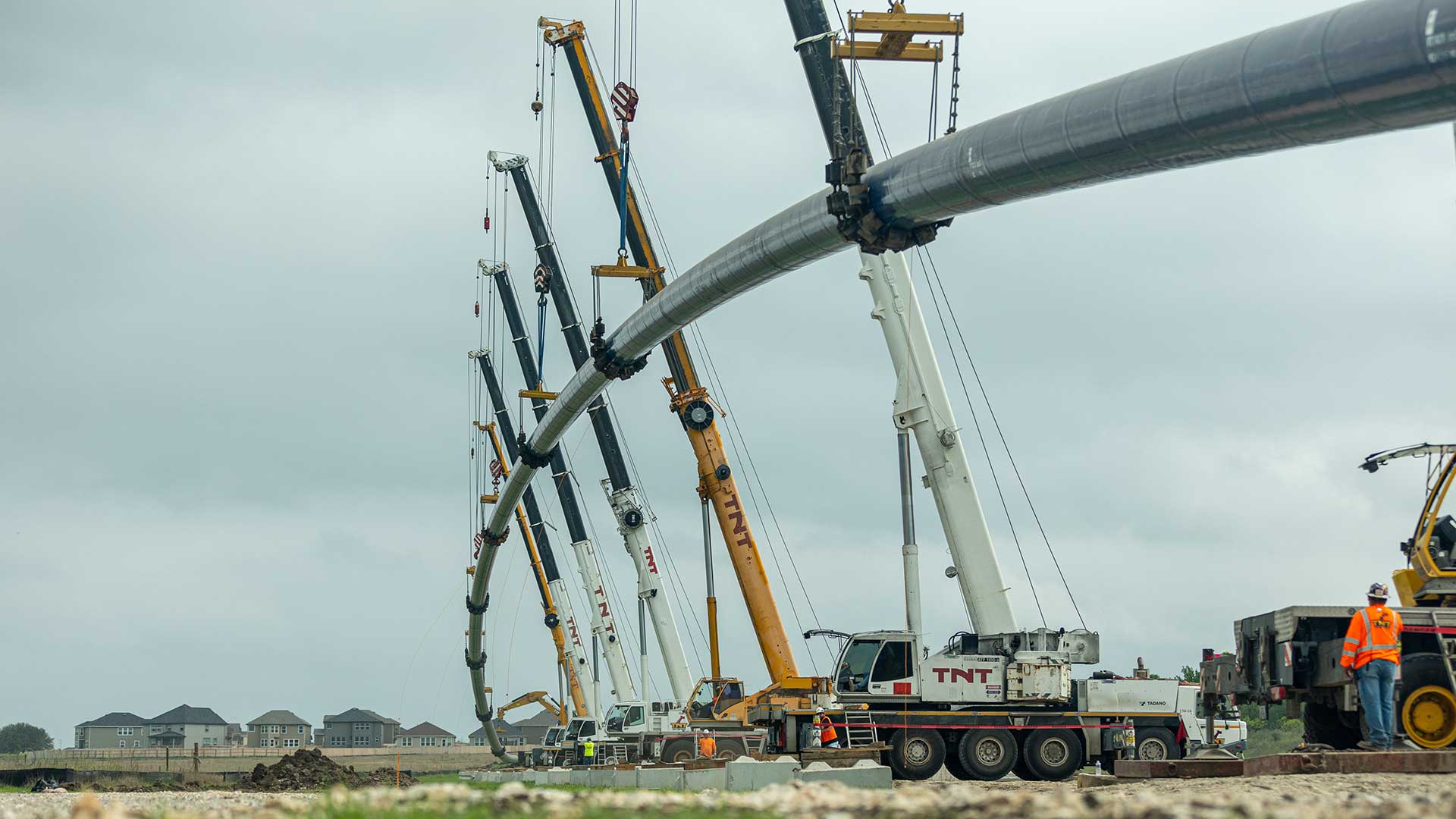
Alliance Regional Water Authority (ARWA) Phase 1B Treated Water Pipeline near New Braunfels, Texas
STI/SPFA: What do you think will be the biggest challenge facing the industry in the next three to five years?
Simons: Drinking water is something people often take for granted – they turn on the faucet and out comes clean drinking water. Water utilities primarily pay to operate and maintain water infrastructure through user rates, but this isn’t enough to cover all their needs. According to ASCE, only 20% of water utilities in the U.S. are fully able to cover the cost of drinking water services.
A big challenge will be finding the funding to complete the backlog of critical infrastructure projects.
STI/SPFA: How has STI/SPFA Membership helped you and your company succeed and grow in today’s marketplace?
Simons: STI/SPFA has been a strong advocate for the steel water pipe industry, consistently promoting the value and durability of steel for water infrastructure. Their technical resources and advocacy have been beneficial in reinforcing those benefits with customers and stakeholders.
One of the greatest benefits I’ve experienced is the networking opportunities – connecting with peers, sharing ideas, and working together to support more resilient water systems for the future.