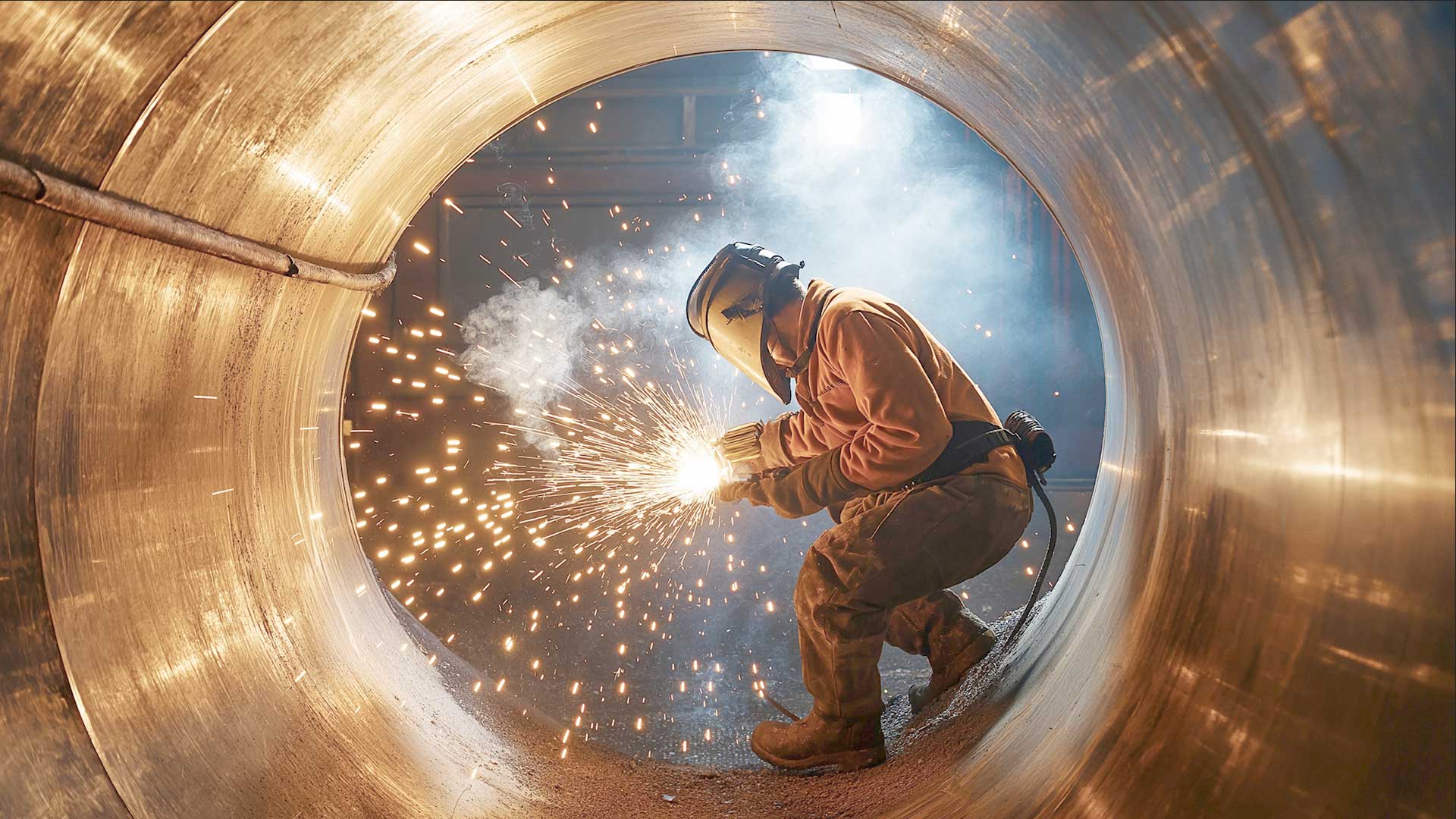
Steel is often chosen for underground storage tanks because it provides structural strength, long-term durability, fuel compatibility, design flexibility, and proven corrosion-protection options. Steel USTs can be designed for single-wall or double-wall construction, secondary containment, leak detection, cathodic protection, protective coatings, and a wide range of fueling and storage applications.
STI/SPFA licenses several steel underground storage tank technologies, including sti-P3®, ACT-100®, ACT-100-U®, and PERMATANK®. These systems combine the strength of steel with corrosion protection, secondary containment, interstitial monitoring, or other protective features depending on the selected tank design.
Why Material Choice Matters
Material selection affects the design, installation, performance, maintenance, regulatory compliance, and long-term reliability of an underground storage tank system. USTs are buried assets that must perform under soil loads, groundwater exposure, traffic loads, fuel compatibility requirements, corrosion risks, leak detection requirements, and changing fuel formulations.
For underground storage tank systems, the selected material also affects installation practices, backfill options, corrosion protection, monitoring, repairs, secondary containment, and owner maintenance responsibilities. A tank material must support the stored product, site conditions, applicable regulations, installation requirements, and long-term system performance.
Steel is frequently selected when the project requires a strong, engineered tank material that can be paired with corrosion protection, leak detection, and secondary containment technologies.
Key Benefits of Steel
Structural Strength
Steel provides the structural strength needed for buried tank applications. Underground tanks must withstand soil loads, groundwater conditions, handling, installation forces, and site-specific loading conditions.
Steel’s strength allows USTs to be engineered for demanding underground environments.
Corrosion-Protection Options
Steel underground storage tanks can be protected through several established corrosion-protection approaches. Depending on the tank technology, corrosion protection may include cathodic protection, fiberglass-reinforced plastic, urethane coatings, jacketed secondary containment, or other protective systems.
Secondary Containment and Leak Detection
Steel USTs can be designed with double-wall construction, interstitial monitoring, and secondary containment. These features help owners detect leaks, monitor tank performance, and meet applicable regulatory and project requirements.
Fuel Compatibility
Steel is compatible with a wide range of petroleum fuels and fuel blends. STI/SPFA’s compatibility resource states that STI asserts its licensed tanks and all makes and models of steel tanks manufactured in any time period are suitable for use with all blends of fuels meeting ASTM standards.
This is an important advantage for tank owners because fuel formulations continue to evolve. Compatibility considerations may include gasoline, diesel, ethanol blends, biodiesel blends, heating oils, aviation fuels, and other stored products.
Design Flexibility
Steel underground storage tanks can be built in a range of capacities, configurations, and designs. Depending on the application, steel USTs may include single-wall or double-wall construction, compartments, corrosion-protection systems, interstitial monitoring, and project-specific features.
Installation and Site Flexibility
Steel UST technologies can support practical installation options for many site conditions. STI/SPFA notes that steel tanks have a flat-end design that can reduce installation costs and increase site layout flexibility, and that various backfill options may support cost-saving installation.
This flexibility can matter on fuel sites, commercial facilities, industrial properties, emergency generator installations, and other projects where available space, layout, depth, and installation conditions affect the final design.
Long-Term Value
Steel USTs are often evaluated based on more than initial cost. Owners also consider structural strength, fuel compatibility, corrosion protection, secondary containment, monitoring, installation flexibility, maintenance, regulatory familiarity, and service history.
For underground fuel storage and related applications, those factors can make steel a strong choice when the tank system is expected to serve as a critical long-term asset.
How Steel Compares in This Application
Steel is commonly evaluated alongside other underground storage tank materials and systems. The best choice depends on stored product, site conditions, corrosion risk, regulatory requirements, installation needs, owner preferences, maintenance expectations, and long-term lifecycle planning.
Steel is often favored when the project requires structural strength, fuel compatibility, proven tank technologies, secondary containment, interstitial monitoring, corrosion protection, and flexible design options. Steel USTs can be paired with different protection systems, allowing the tank design to be matched to project requirements.
A balanced comparison should acknowledge that steel USTs require proper corrosion protection, installation, monitoring, maintenance, and regulatory compliance. The advantage is not that steel eliminates maintenance, but that steel underground storage tank systems offer engineered options for strength, protection, monitoring, and long-term performance.
When Steel Is the Best Fit
| Project Priority | Why Steel Fits |
|---|---|
| Structural strength | Steel provides the strength needed for buried tank applications, including soil loads, handling, installation, and underground service conditions. |
| Fuel compatibility | Steel tanks are suitable for all blends of fuels meeting ASTM standards, according to STI/SPFA’s compatibility statement. |
| Secondary containment | Steel USTs can be designed with double-wall construction and interstitial monitoring for leak detection and secondary containment. |
| Corrosion protection | STI technologies include cathodically protected, coated, composite, urethane-coated, and jacketed steel tank options. |
| Site and installation flexibility | Steel UST designs may support compartments, different capacities, backfill options, and flat-end designs that improve layout flexibility. |
| Standards-based specification | STI/SPFA underground tank technologies are built to recognized standards and supported by quality control programs. |
| Long-term asset management | Steel USTs can be paired with monitoring, maintenance, and corrosion control approaches to support long-term performance. |
Considerations and Nuances
Steel is a strong choice for many underground storage tank applications, but it must be properly designed, manufactured, protected, installed, monitored, and maintained. The performance of a steel UST depends on the full storage system, not the tank material alone.
| Consideration | Why It Matters |
|---|---|
| Corrosion protection | The selected tank technology should match site conditions, corrosion risk, regulatory requirements, and owner expectations. |
| Stored product compatibility | Fuel blends, additives, biodiesel, ethanol, and other stored products should be evaluated for compatibility with the full tank system. |
| Secondary containment | Double-wall construction, interstitial monitoring, and leak detection requirements should be addressed early in the specification process. |
| Installation practices | Excavation, bedding, backfill, anchoring, handling, testing, and site conditions affect long-term performance. |
| Water management | Water in fuel storage systems can contribute to fuel degradation, microbial contamination, and damage to the storage system. STI/SPFA notes that regular inspection and maintenance of the entire UST fuel storage system is more important than ever. |
| Regulatory compliance | Federal, state, and local UST regulations may affect design, installation, monitoring, operation, maintenance, and closure. |
| Maintenance planning | Owners should plan for inspection, water removal, leak detection, corrosion monitoring, documentation, and ongoing system maintenance. |
Common Misconceptions
Steel underground storage tanks cannot resist corrosion.
Steel USTs require corrosion protection, but modern steel tank technologies include established approaches for protecting the tank from corrosive environments. sti-P3® uses a pre-engineered corrosion protection system with ongoing monitoring, ACT-100® uses corrosion-resistant secondary containment, ACT-100-U® uses an external urethane coating, and PERMATANK® uses a corrosion-resistant outer jacket.
Steel USTs are not compatible with modern fuel blends.
STI/SPFA’s compatibility statement asserts that STI licensed tanks and all makes and models of steel tanks manufactured in any time period are suitable for use with all blends of fuels meeting ASTM standards.
All underground tank systems perform the same once installed.
Different tank materials and tank technologies have different structural, corrosion-protection, leak detection, monitoring, compatibility, installation, and maintenance characteristics. Material and system selection should account for the stored product, site conditions, regulatory requirements, and lifecycle expectations.
Leak detection is separate from
tank design.
For many steel UST technologies, leak detection and monitoring are built into the tank system. ACT-100® double-wall tanks allow continuous interstitial leak detection and monitoring, and PERMATANK® includes a uniform interstitial space for rapid and accurate leak detection.
UST maintenance is only about the tank.
UST maintenance involves the entire storage system. STI/SPFA notes that poor operations and maintenance procedures for monitoring and removing water from underground storage tank systems can lead to fuel quality degradation, microbial contamination, and damage to the entire storage system.
FAQs
Related Resources
STI Technologies
ACT-100®
ACT-100-U®
PERMATANK®
sti-P3®
Assuring Compatibility
Underground Storage Tank UST Maintenance
Keeping Water Out of Your Storage System
Codes & Regulations
Shop-Fabricated Tank Manufacturers
Choosing the right underground storage tank material is a long-term infrastructure and compliance decision.
Steel offers structural strength, fuel compatibility, corrosion-protection options, secondary containment, leak detection compatibility, design flexibility, and practical lifecycle advantages for many UST applications.
Explore STI/SPFA’s underground storage tank technologies or connect with STI/SPFA shop-fabricated tank fabricators to learn more about steel solutions for underground fuel storage and related applications.