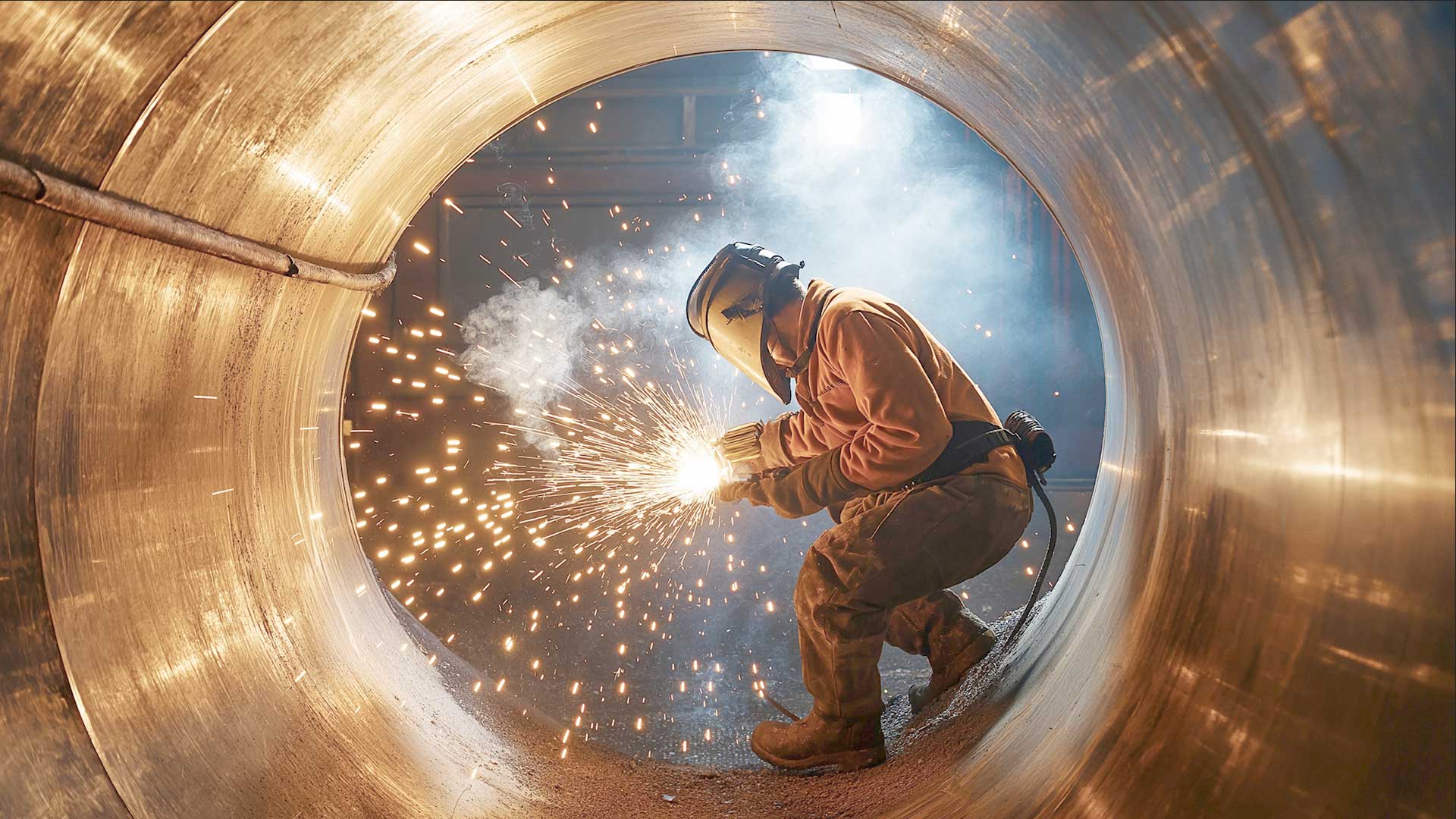
Steel is often chosen for field-erected water tanks because it provides a strong, adaptable, and proven solution for large-capacity water storage. Steel tanks can be designed for a wide range of site conditions, capacities, operating requirements, and architectural preferences while meeting established industry standards. For municipalities, utilities, and industrial facilities, steel offers a practical combination of durability, design flexibility, long-term value, and maintainability.
When properly designed, constructed, operated, and maintained, an AWWA D100 steel water tank can last indefinitely. This long-term service potential is one of the strongest reasons steel remains a preferred material for field-erected water storage.
Why Material Choice Matters
Material selection affects nearly every aspect of a field-erected water tank project, including design, construction, maintenance, service life, inspection, repair, and long-term cost. A water tank is not simply a container; it is a long-term infrastructure asset that must perform reliably through changing water demands, weather exposure, seismic or wind loading, site constraints, and evolving operational needs.
For field-erected tanks, the selected material must support both structural performance and practical constructability. It must also align with applicable standards, owner expectations, maintenance planning, and the required storage capacity.
Key Benefits of Steel
Strength and Structural Performance
Steel has a high strength-to-weight relationship, making it well suited for large tanks that must resist internal water loads, wind, seismic forces, roof loads, and other project-specific design conditions. This strength allows engineers to design tanks for demanding applications while maintaining efficient structural performance.
For water storage, this is especially important because tanks often serve critical infrastructure functions. A field-erected water tank may need to support daily system pressure, emergency storage, fire protection, and long-term utility planning.
Long Service Life
Steel water tanks are long-term infrastructure assets. When properly designed, constructed, operated, inspected, and maintained, an AWWA D100 steel water tank can last indefinitely.
This is one of the strongest benefits of steel for field-erected water tanks. Rather than viewing the tank only as an initial construction project, owners can manage it as a long-term asset through inspection, coating maintenance, repair, rehabilitation, and continued service.
Design Flexibility
Steel tanks can be configured in multiple forms, including reservoirs, standpipes, and elevated tanks. Steel structures can be constructed in a variety of shapes, and the primary categories of storage tank design include reservoirs, standpipes, and elevated tanks.
This flexibility allows steel tanks to be adapted to site limitations, hydraulic needs, visual requirements, foundation conditions, and future system planning. Steel can also support special tank designs when owners require something beyond a standard configuration.
Proven Use in Water Infrastructure
Steel has a long history in potable water storage and broader infrastructure applications. That track record matters for owners and engineers because water infrastructure decisions are rarely short-term. A tank material must be familiar to designers, contractors, inspectors, operators, and maintenance teams.
Steel’s continued use in municipal, utility, and industrial water storage reflects its ability to perform across a wide range of project requirements and operating environments.
Standards Familiarity
Field-erected steel water tanks are supported by well-established standards and manuals of practice, including AWWA D100 for welded carbon steel tanks for water storage.
This standards familiarity helps owners and engineers specify, review, construct, inspect, and maintain steel tanks with a clear technical framework.
Maintainability and Repairability
Steel tanks can be inspected, maintained, repaired, recoated, and modified over time. This is an important advantage for owners who manage water storage assets over decades. When maintenance is planned and performed properly, steel tanks can remain reliable, serviceable infrastructure assets.
Corrosion protection is a major part of this lifecycle approach. Coatings, linings, and cathodic protection help safeguard structural integrity, extend service life, and reduce maintenance costs.
Long-Term Value
Steel tanks are often evaluated not only by initial cost, but also by service life, maintenance planning, reliability, adaptability, and repair options.
This makes steel a strong option for owners who want a durable asset that can be managed over time rather than replaced prematurely.
How Steel Compares in This Application
Steel is commonly considered alongside other tank materials and construction methods. The best choice depends on project requirements, site conditions, capacity, schedule, budget, local preferences, and long-term maintenance expectations.
In field-erected water tank applications, steel is often favored when the owner needs a large-capacity, engineered structure with strong design flexibility and established inspection and maintenance pathways. Steel can be used for elevated tanks, standpipes, reservoirs, and custom configurations, which gives engineers more options when matching the tank to the water system’s needs.
Steel also offers practical advantages when future maintenance or modifications may be needed. Because steel tanks can be inspected, repaired, recoated, rehabilitated, and upgraded, they can support long-term asset management strategies. That does not eliminate the need for maintenance, but it gives owners a clear path for preserving performance.
When Steel Is the Best Fit
| Project Priority | Why Steel Fits |
|---|---|
| Large storage capacity | Steel is well suited for field-erected tanks designed for substantial municipal, utility, industrial, and fire protection water storage needs. |
| Design flexibility | Steel supports reservoirs, standpipes, elevated tanks, custom appurtenances, and project-specific design requirements. |
| Standards-based specification | Steel water tanks are supported by established AWWA standards and manuals of practice. |
| Long-term asset management | Steel tanks can be inspected, maintained, repaired, recoated, rehabilitated, and protected through coatings and cathodic protection. |
| Municipal or utility use | Steel is widely used for potable water storage, fire protection storage, industrial water storage, and related infrastructure applications. |
| Future adaptability | Steel can often accommodate maintenance, recoating, repair, rehabilitation, and certain modifications over time. |
Considerations and Nuances
Steel is a strong choice for many field-erected water tank applications, but it still requires proper design, fabrication, construction, coating, inspection, and maintenance. The long-term performance of a steel tank depends on more than the material alone.
| Consideration | Why It Matters |
|---|---|
| Corrosion protection | Coatings, linings, and cathodic protection may be needed to protect the tank and extend service life. |
| Site conditions | Soil, foundation design, seismic requirements, wind exposure, and access can affect the tank design. |
| Water chemistry | Interior coating or lining selection should account for potable water requirements and operating conditions. |
| Maintenance planning | Steel tanks perform best when owners plan for inspection, cleaning, coating maintenance, and repairs. |
| Qualified construction | Field erection requires experienced fabricators, welders, inspectors, and project teams. |
| Applicable standards | Project specifications should identify the appropriate standards, owner requirements, and regulatory expectations. |
Common Misconceptions
Steel tanks rust, so they do not last.
Steel can corrode if it is not properly protected, but corrosion is a manageable design and maintenance consideration. Coatings, linings, cathodic protection, inspection, and maintenance programs are commonly used to protect steel tanks and extend service life.
Steel tanks are only for standard cylindrical designs.
Steel tanks are commonly cylindrical, but steel offers significant flexibility. Steel structures can be constructed in a variety of shapes, and special tank designs can be developed to address owner, site, operational, and visual requirements.
All water tank materials perform the same once installed.
Different tank materials have different design, construction, inspection, maintenance, and repair characteristics. Material choice affects lifecycle planning, future modifications, maintenance access, coating systems, and long-term asset management.
Steel tanks are difficult to maintain.
Steel tanks require maintenance, but they are also highly maintainable. Owners can inspect, clean, recoat, repair, and rehabilitate steel tanks over time, which supports long-term infrastructure planning.
FAQs
Related Resources
Field Erected tanks
Steel Water Storage Tanks: A Selection Guide
Types of Steel Storage Tanks
Steel Potable Water Storage Tanks
Water Tank Myths
Corrosion Protection for Steel Field Erected Storage Tanks
Steel Field Erected Storage Tank Construction
Century Club
Choosing the right water storage tank material is a long-term infrastructure decision.
Steel offers strength, flexibility, proven performance, and practical lifecycle advantages for many field-erected water tank applications.
Explore STI/SPFA’s steel water storage tank resources or connect with STI/SPFA field erected tank fabricators to learn more about steel solutions for municipal, industrial, and utility water storage.