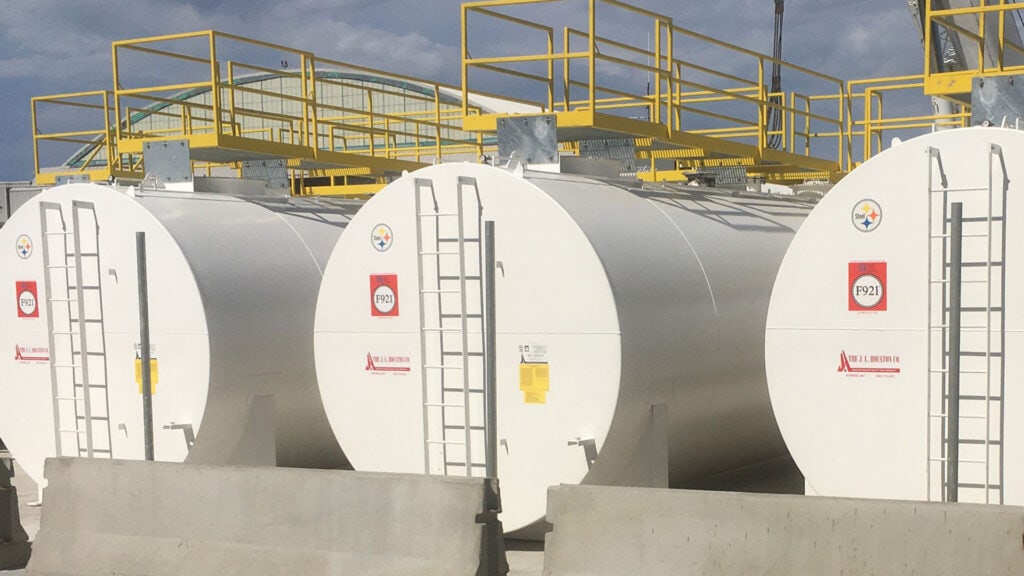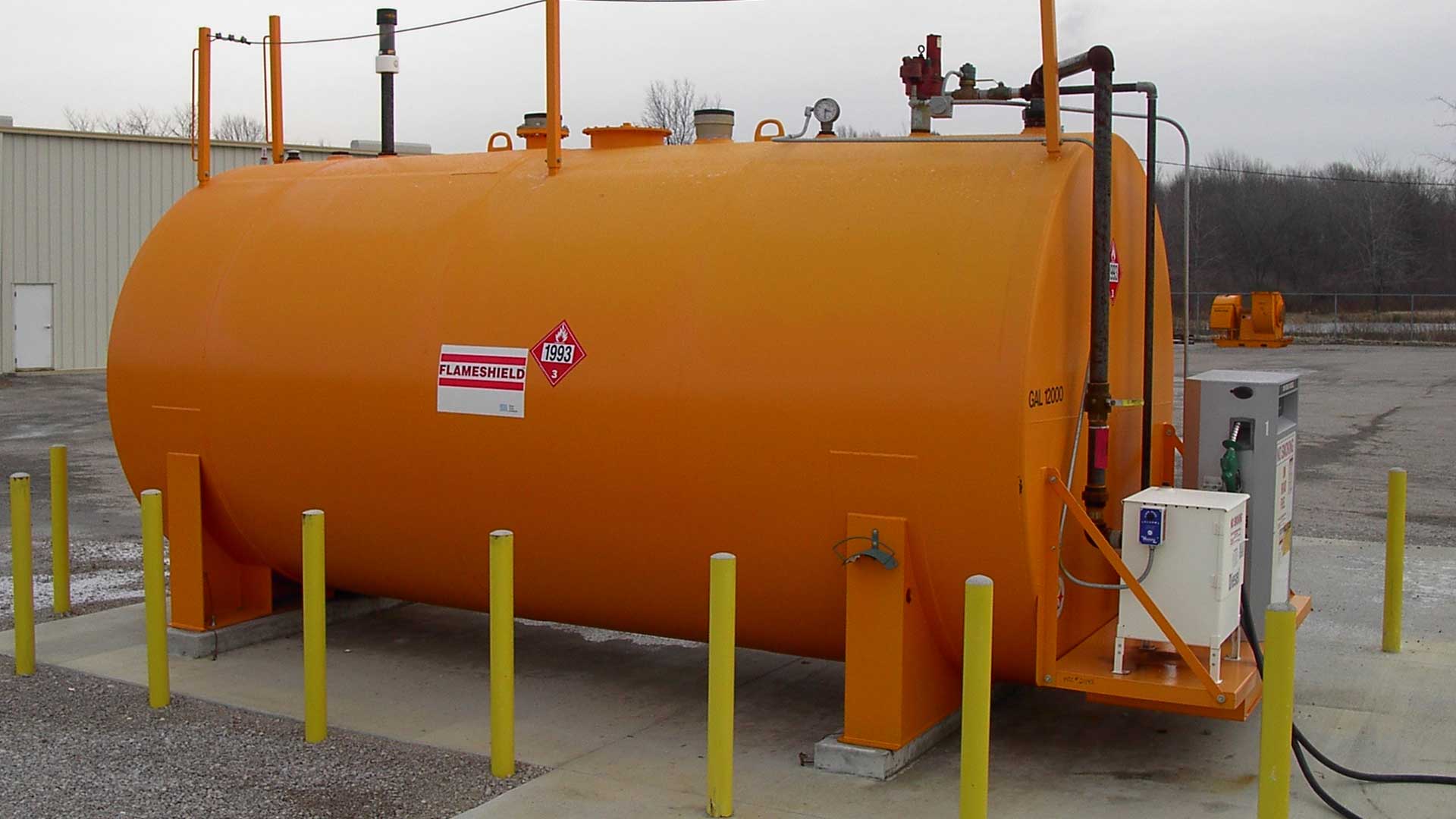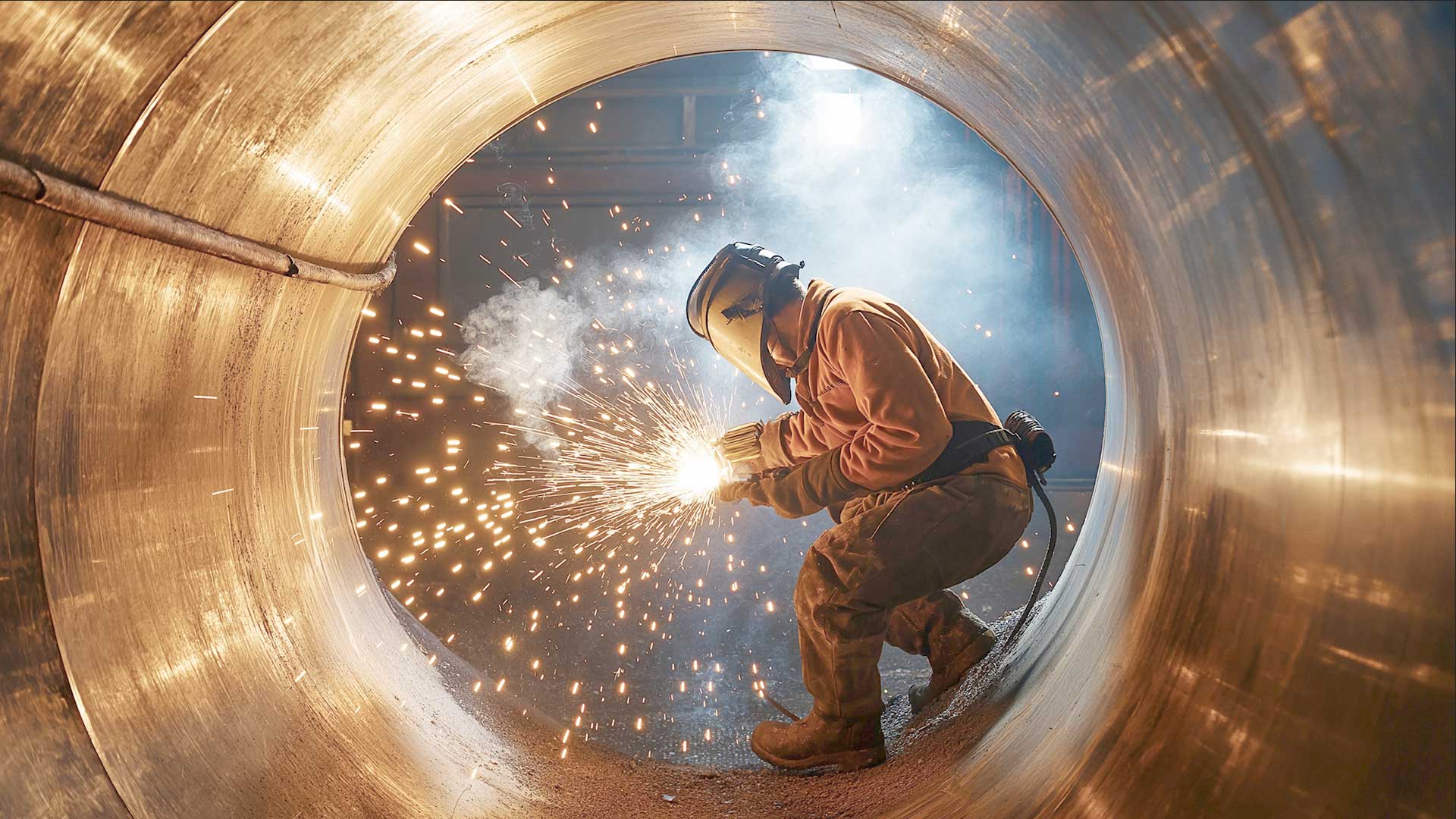
UL 142 and UL 2085 are two commonly specified UL standards for shop-fabricated, aboveground, atmospheric steel tanks used to store stable flammable and combustible liquids. While both standards support safe, code-compliant storage, they address different levels of fire exposure, physical protection, and siting flexibility.
In general terms, UL 142 represents the baseline construction and performance standard for aboveground steel tanks. UL 2085 builds on that foundation by defining a “protected tank” intended to provide enhanced fire resistance, impact protection, and integral secondary containment. Understanding these differences is critical when selecting a tank for a specific site, code environment, and risk profile.
This resource explains how the standards differ, how those differences influence specification decisions, and what questions should be resolved early with the authority having jurisdiction.
What UL 142 Covers
UL 142 applies to shop-fabricated, aboveground, atmospheric welded steel tanks intended for the storage of stable flammable and combustible liquids. The standard includes requirements for materials, fabrication, testing, supports, tank venting, and tank marking.
UL 142 encompasses several tank configurations, including single-wall (primary) tanks, secondary (double-wall) tanks, and diked-type atmospheric tanks. Tanks can be cylindrical or rectangular shapes. Because of this flexibility, UL 142 is widely used across a broad range of applications where site conditions and separation distances allow conventional aboveground tank installations.
UL 142 is often viewed as the foundational standard for aboveground steel tanks, and many designs and projects begin with a UL 142 tank unless site-specific constraints drive the need for additional protection.
What UL 2085 Covers
UL 2085 applies to shop-fabricated, aboveground, atmospheric “Protected Aboveground Tanks” used for stable flammable and combustible liquids. The standard defines additional performance criteria intended to enhance the tank’s behavior under fire exposure and physical damage scenarios. UL characterizes UL 2085 tanks as protected tanks, incorporating features such as enhanced fire resistance, impact protection, and integral secondary containment as part of the listed system. While designs vary by manufacturer, UL 2085 tanks are generally intended to reduce the likelihood of product release and limit temperature rise during high-intensity external fire exposure.
A practical way to view UL 2085 is as a higher-protection category used when site limitations, fire exposure concerns, or AHJ expectations go beyond what is typically addressed by a standard UL 142 installation.
Core differences that Influence Specification
Fire Resistance and Exposure
UL 142 establishes construction and safety requirements for aboveground tanks but installation codes can require significant distances between the storage tank, dispensing equipment, property lines and site building to protect the site from possible heat exposure during a fine A storage tank that complies with UL 2085 requirements, by contrast, is specifically intended to provide enhanced fire resistance as part of its protected tank classification and can allow for reduced setbacks to important site features.
Projects with constrained setbacks, higher surrounding fire risk, or proximity to occupied structures often consider the use of UL 2085 listed storage tanks to address these exposure concerns through passive fire protection rather than relying solely on increased separation distances.
Secondary Containment
UL 142 allows for tanks to be built with or without secondary containment, including double-wall and diked-type tanks. Secondary containment may be provided as part of the tank or through other code-compliant site measures, depending on project design and AHJ acceptance.
UL 2085 tanks are characterized as having secondary containment integrated into the tank structure as part of the protected tank system. For projects where an integrated, listed containment approach is preferred or required, UL 2085 can simplify compliance and review.
Physical Damage and Impact Protection
UL 2085 tanks are identified as providing impact protection in addition to enhanced fire resistance. This makes them attractive in locations with vehicle traffic, material handling equipment, or other operational conditions where physical damage is a realistic concern.
UL 142 does not position itself as an impact-resistant or protected tank standard. Regardless of tank construction, site-specific protective measures should be employed as part of an overall facility design to protect the tank storge tank and any associated equipment from vehicle impact.
Siting Flexibility and AHJ Acceptance
Because UL 2085 tanks are associated with enhanced fire resistance and impact resistance, they are often used where fire code allows for reduced separation distances or tighter site layouts if a protected tank type is used. Many AHJs view UL 2085 as a tool to facilitate better siting options in constrained environments.
UL 142 tanks remain widely accepted and appropriate where separation distances, exposure conditions, and containment strategies align with local code requirements.
Common Applications
UL 142 is commonly used for:
- Standard aboveground fuel and combustible liquid storage where adequate separation distances are available
- Projects where secondary containment is addressed through double-wall tanks, diked configurations, secondary containment structures, or other approved site measures
- Installations with lower fire exposure risk and fewer physical damage concerns
UL 2085 is commonly used for:
- Sites with limited setbacks or space constraints
- Locations with higher external fire exposure or adjacent occupancies
- Applications where vehicle impact or operational damage is a significant concern
- Projects where an integrated protected tank and containment system is preferred by the owner, the owner’s insurance provider, or AHJ
Codes and Standards Context
UL 142 and UL 2085 listings are most often applied through adoption and enforcement of fire and building codes governing the storage of flammable and combustible liquids. In practice, the UL listing does not stand alone; it functions as part of a broader regulatory framework that includes siting, separation distances, spill control, venting, and fire protection provisions.
Model codes typically reference UL-listed tanks as an acceptable means of demonstrating compliance with construction and performance requirements, but they do not eliminate the need to meet all applicable code provisions. A UL listing confirms that the tank meets the requirements of the applicable UL standard, while the governing code establishes how and where that tank may be installed.
Because codes are adopted and amended locally, the same UL 142 or UL 2085 tank may be treated differently from one jurisdiction to another. For this reason, early coordination with the authority having jurisdiction is essential to ensure the selected tank standard aligns with local interpretations, enforcement practices, and project-specific conditions.
Common Misconceptions About UL 142 and UL 2085
Several misunderstandings frequently arise when comparing UL 142 and UL 2085 tanks, particularly early in project planning.
One common misconception is that a UL 2085 tank automatically eliminates all separation distance or fire protection requirements. While UL 2085 tanks are designed to provide enhanced fire resistance, separation distances and other code requirements are still governed by the applicable fire and building codes and remain subject to AHJ approval.
Another frequent point of confusion is the assumption that a double-wall UL 142 tank is equivalent to a UL 2085 protected tank. While both may include secondary containment, UL 2085 is a distinct protected tank category with additional fire exposure and impact protection performance criteria that are not addressed by UL 142 alone.
The term “fire-rated” is also often used informally when discussing tanks. UL 2085 includes specific fire exposure testing and performance expectations, whereas UL 142 does not define a protected or fire-resistant tank classification. Understanding this distinction helps avoid misalignment between design intent and regulatory expectations. Other heat exposure performance standards exist for ASTs. How they might apply to a specific tank will depend on the codes in place at a specific location.
Finally, a UL listing does not, by itself, define the complete spill control, overfill protection, or monitoring strategy for an installation. These elements are addressed through a combination of tank configuration, accessories, and site design, all of which must be evaluated in the context of applicable codes and AHJ requirements.
Design and Cost Considerations
From a design perspective, the choice between UL 142 and UL 2085 often involves balancing initial tank cost, site constraints, and overall project complexity.
UL 142 tanks typically offer greater flexibility in configuration, capacity, and fabrication options, which can be advantageous on sites with adequate space and fewer exposure concerns. In many cases, site work such as diking, berms, or increased separation distances may be used to meet code requirements rather than relying on a protected tank listing.
UL 2085 tanks generally involve higher initial tank costs due to their protected construction and enhanced performance features. However, those costs may be offset by reduced site footprint, fewer external protection measures, or simplified compliance in constrained environments. For some projects, the ability to reduce setbacks or integrate containment within the tank system can result in overall project efficiencies.
Maintenance, inspection access, and long-term operational considerations should also be evaluated. While both standards support durable, long-service installations, the selected tank configuration should align with inspection practices, monitoring expectations, and the owner’s risk management strategy.
Ultimately, the most cost-effective solution is often determined not by the tank alone, but by how the tank standard integrates with site layout, code requirements, and AHJ expectations.
Questions to Ask the AHJ
Early coordination with the authority having jurisdiction is often the single most important factor in determining whether UL 142 or UL 2085 is appropriate. The following questions can help clarify expectations and avoid redesign later in the project:
- Does the AHJ require a protected tank listing for this occupancy or use, or is a standard UL 142 tank acceptable?
- Are reduced separation distances permitted, and if so, is a UL 2085 protected tank required to achieve them?
- How does the AHJ define and evaluate secondary containment for this installation? Is integral containment preferred or required?
- Are there specific fire exposure scenarios or adjacent hazards that influence the tank listing selection?
- Is impact protection a concern based on site layout, traffic patterns, or operations?
- How do local fire and building codes interpret “protected tanks” versus standard aboveground tanks?
- Are there past approvals or local precedents that guide listing selection for similar installations?
Addressing these questions early helps align the tank selection with code intent, site constraints, and enforcement expectations.
Conclusion
UL 142 and UL 2085 both play important roles in aboveground storage tank applications, but they serve different needs. UL 142 provides the foundational standard for aboveground steel tanks, offering flexibility in configuration and containment strategies. UL 2085 defines a protected tank category, incorporating enhanced fire resistance, impact protection, and integral secondary containment to support installations with higher exposure risk or constrained siting.
Selecting the appropriate standard requires balancing code requirements, site conditions, operational risk, and AHJ expectations. Clear communication early in the design process is essential to ensuring the selected tank standard supports both safety and constructability.