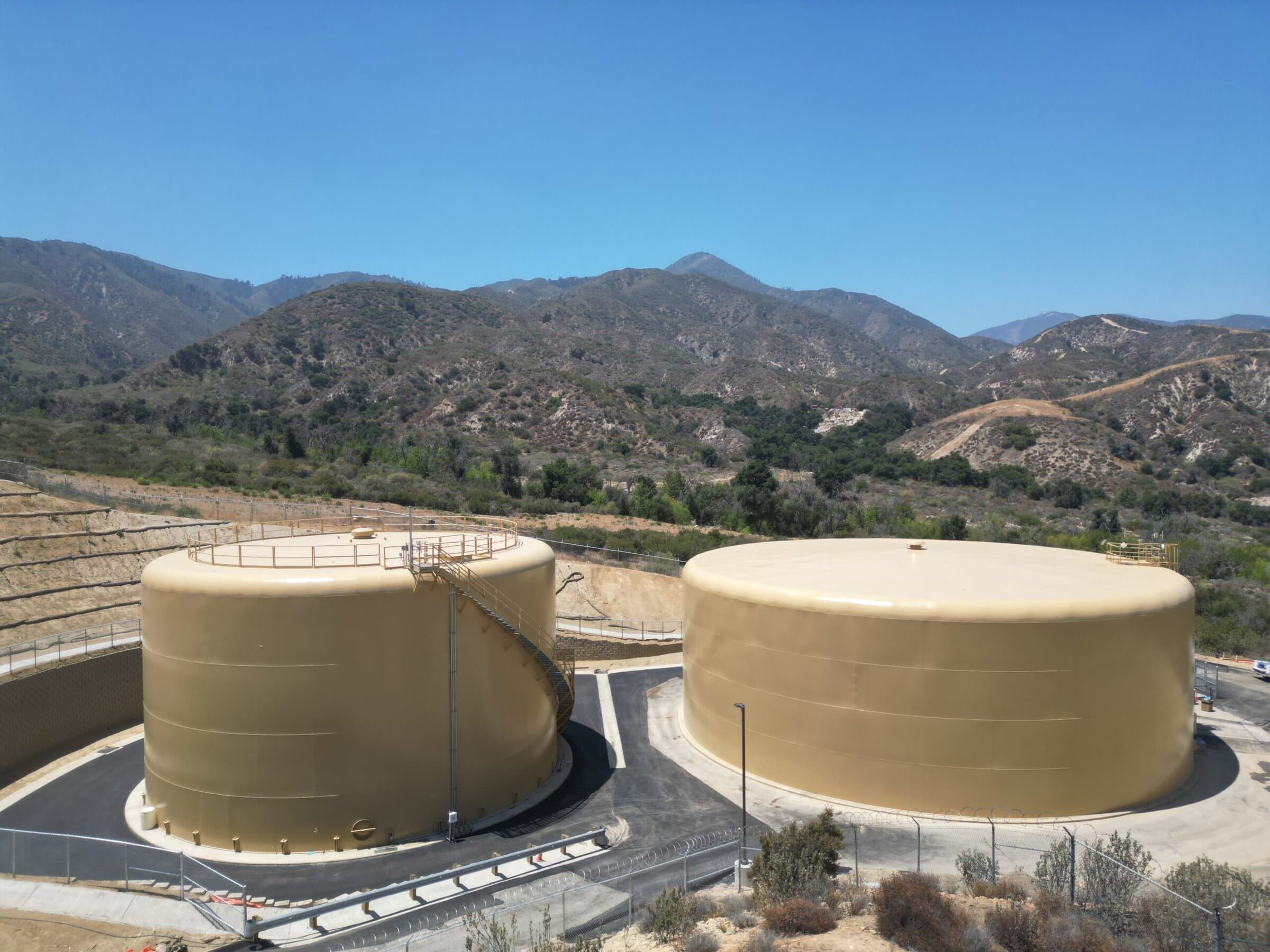
An API 620 tank is a welded steel storage tank built in accordance with the American Petroleum Institute’s API 620 standard, Design and Construction of Large, Welded, Low-Pressure Storage Tanks. This specification provides detailed requirements for the design, construction, inspection, and testing of aboveground storage tanks intended for storing large volumes of liquid at low internal pressures.
While API 650 is the most common standard for atmospheric tanks, API 620 is specifically used when higher internal pressures or lower operating temperatures are required, making it a vital solution for specialized industrial storage needs.
What Is an API 620 Tank Used For?
API 620 tanks are designed for low-pressure liquid storage — typically with an internal pressure of up to 15 pounds per square inch gauge (psig). They can be built to operate at temperatures as low as −325 °F, making them suitable for cryogenic storage of liquefied gases such as LNG (liquefied natural gas), LPG (liquefied petroleum gas), and liquid nitrogen.
In addition to cryogenic service, API 620 tanks are used for storing petroleum products, chemicals, industrial liquids, and certain food-grade materials in applications where a combination of large capacity and slightly higher internal pressure is needed. These tanks are common in energy production, petrochemical processing, and bulk liquid distribution facilities.
Design and Construction Features
API 620 tanks can be vertical or horizonal, with capacities that can reach tens of millions of gallons. They are constructed from carbon steel, stainless steel, or nickel alloys, depending on the temperature and chemical compatibility requirements of the stored product.
The design allows for internal pressures up to 15 psig — much higher than the 2.5 psig limit for API 650 tanks — and supports both aboveground and partially buried installations. For cryogenic applications, these tanks may feature double-wall construction with insulation between the inner and outer shells to maintain extremely low temperatures and provide secondary containment.
To ensure long service life, API 620 tanks are engineered for site-specific environmental conditions, including wind, seismic forces, and temperature fluctuations. They are also equipped with protective coatings, linings, or cathodic protection systems as needed.
Why the API 620 Standard Matters
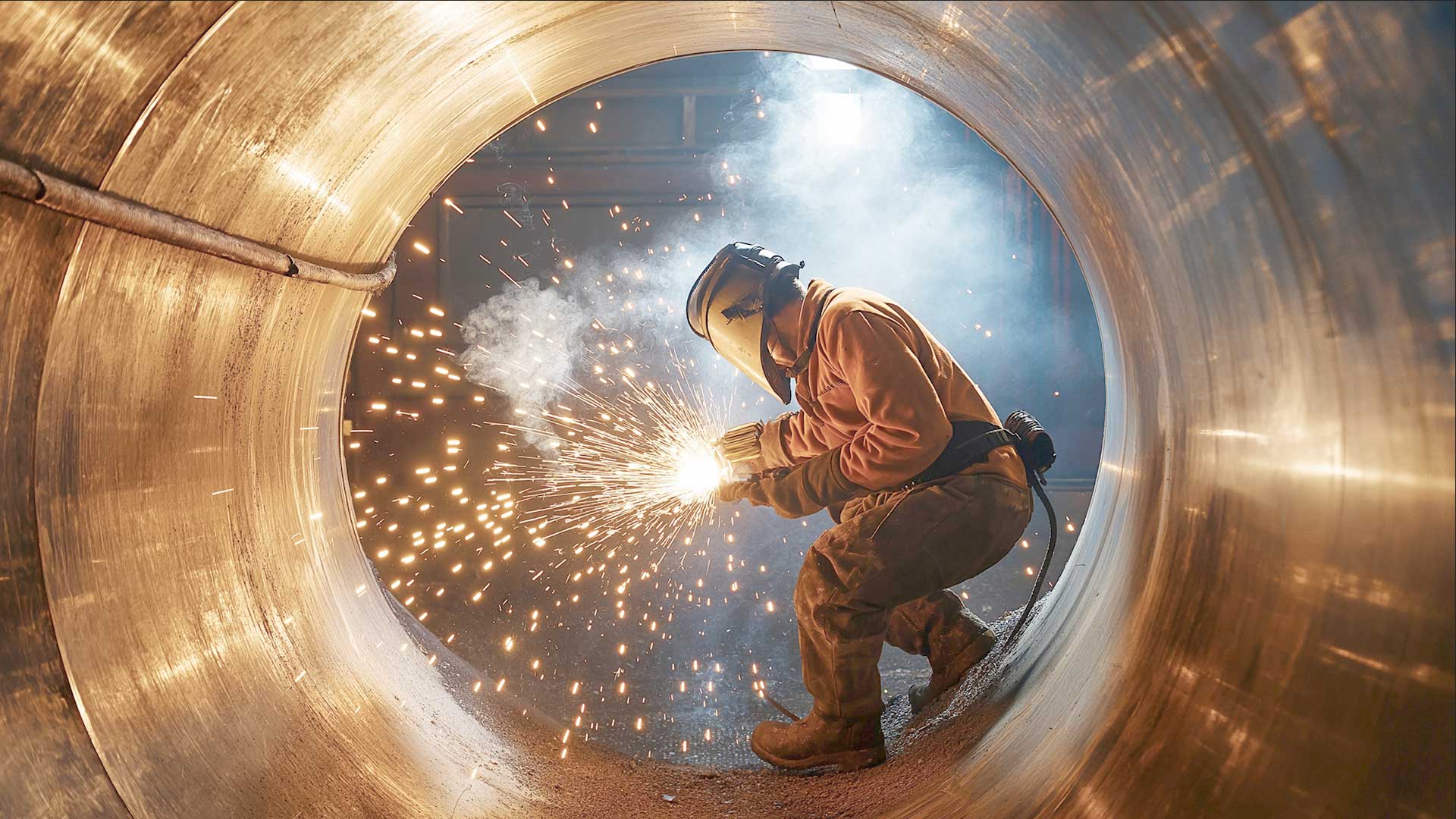
The API 620 standard provides a comprehensive framework for low-pressure welded storage tanks, covering everything from material selection and welding requirements to inspection methods and hydrostatic testing. By adhering to API 620, tank builders and facility operators can ensure their tanks meet rigorous standards for safety, reliability, and performance.
For facility owners, using an API 620-compliant tank offers several key advantages:
- Capability to store low-temperature or cryogenic products safely
- Higher internal pressure limits than API 650 tanks
- Global recognition and acceptance in regulated industries
- Consistent quality and predictable performance
A Trusted Choice for Specialized Storage Needs
While API 650 tanks dominate the market for standard atmospheric liquid storage, API 620 tanks fill an important niche — providing safe, efficient storage for low-pressure, high-capacity, and often temperature-sensitive products.
Whether serving as a massive LNG storage tank at an energy terminal or a chemical storage vessel at an industrial site, an API 620 tank offers proven engineering backed by a trusted international standard.