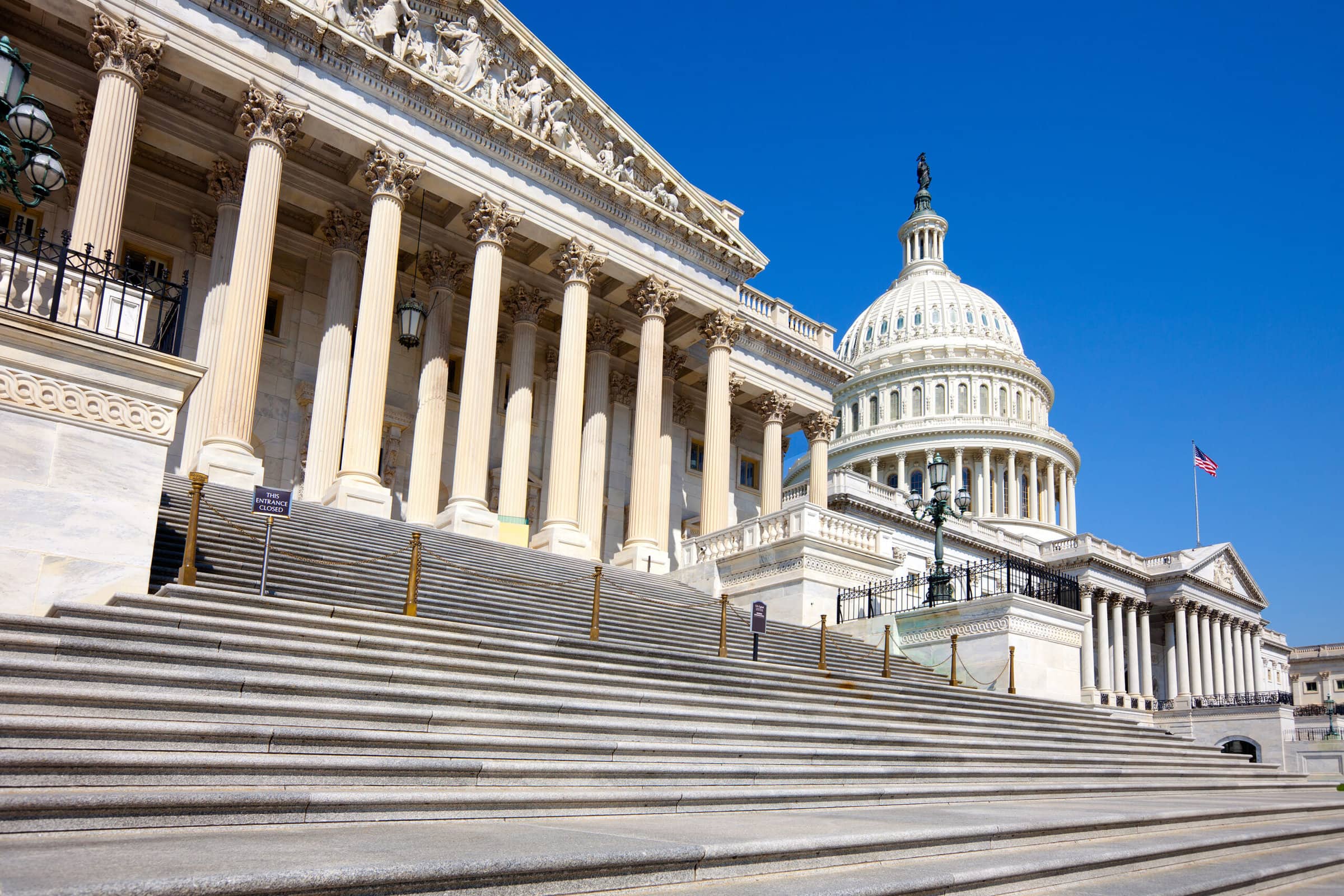
In 2021, President Biden signed the American Rescue Plan Act (ARPA) into law, providing a vital lifeline for both consumers and industry at the peak of the pandemic. Amongst other provisions, the bill established the State and Local Fiscal Recovery Funds (SLFRF). Over the past five years, these funds have provided critical resources to localities to upgrade crucial water infrastructure, including the construction and repair of water towers, water pipe systems, and wastewater infrastructure.
However, these funds are now at risk of expiration despite having already been allocated. While states and localities were required to allocate ARPA funds by December 2024, which took place, all obligated funds must be fully expended by December 2026. Unfortunately, due to supply chain constraints and workload backlogs due to the amount of approved projects, many STI/SPFA members are unable to meet the current production deadline. Simultaneously, states have communicated to STI/SPFA members that funding must be spent much earlier in the year to provide time to close out projects.
If no action is taken, millions of dollars of funding and the hundreds of jobs that support key infrastructure projects across the country will grind to a halt. State and local governments will lose tax revenue while having expended valuable time on a half-completed project, while residents will be forced to use aging water infrastructure.
The expiration of funds that have already been allocated is impractical and unnecessarily harmful. To preserve these projects and the jobs they support, STI/SPFA calls on Congress to extend the deadline for expending already obligated SLFRF funds. Doing so would cost no money and have no impact on the original obligation deadline. Instead, it would provide funding recipients with the time they need to develop best-in-class infrastructure.
Where We Stand
STI/SPFA urges Congress to extend the deadline for the expenditure of ARPA funds, providing manufacturers with time to source the materials they need to complete outstanding projects. This extension will provide clarity to critical infrastructure projects in localities across the country, enabling essential upgrades that can improve drinking water quality, product service delivery, and wastewater management.