Inspection of aboveground storage tanks (ASTs) is critical to ensuring safety, environmental compliance, and operational reliability. Failures can be costly—both in terms of lost product and environmental cleanup—and may expose owners to negligence claims. To manage these risks, two widely used inspection standards have emerged: SP001 and API 653.
While both standards serve the same fundamental purpose, their scope, applicability, and inspection processes differ. Understanding when to apply each is key to maintaining compliance and extending the service life of tanks.
API 653: Scope and Characteristics
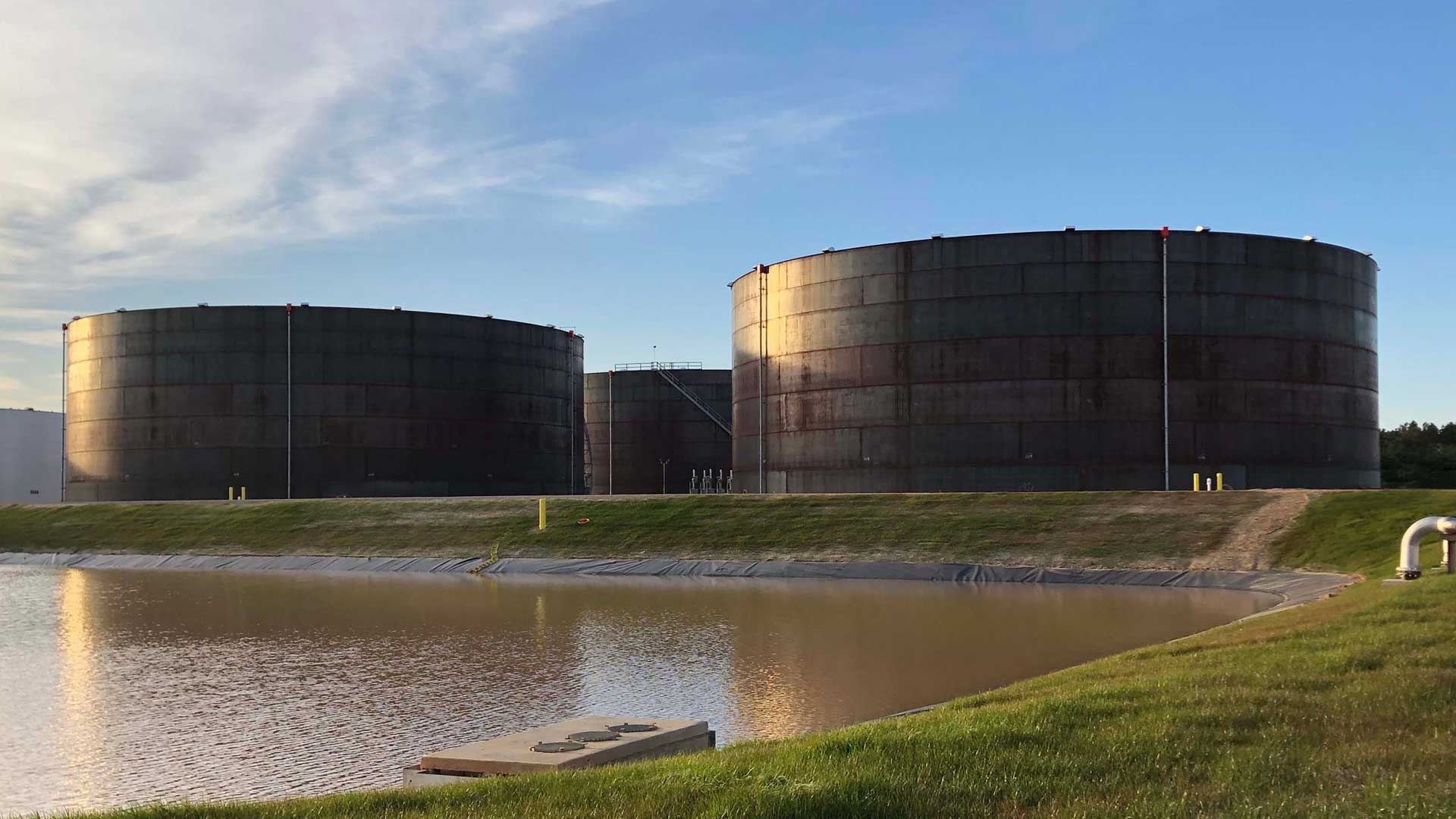
API 653 was developed to address field-erected tanks built to API 650, API 12C, and other API construction standards (such as API 620). These tanks are typically cylindrical, vertical, single wall tanks constructed on site or built in a dedicated shop and shipped to the point of use.
Key features of API 653 include:
- Applicable to any tank built to API 650 but primarily applied to field-erected tanks.
- Recognized internationally and accepted by most regulatory agencies.
- Inspection process is performance-based and limited to the tank itself.
- Can allow for extend inspection intervals—sometimes up to 20 years—based on tank condition after first 10-year inspection cycle.
- Can consider brittle fracture for tanks with shell thickness greater than ½ inch.
However, API 653 requires tanks to be out of service, cleaned, and accessible for inspection. It may not always fit shop-fabricated designs or tanks lacking interior access.
SP001: Scope and Characteristics
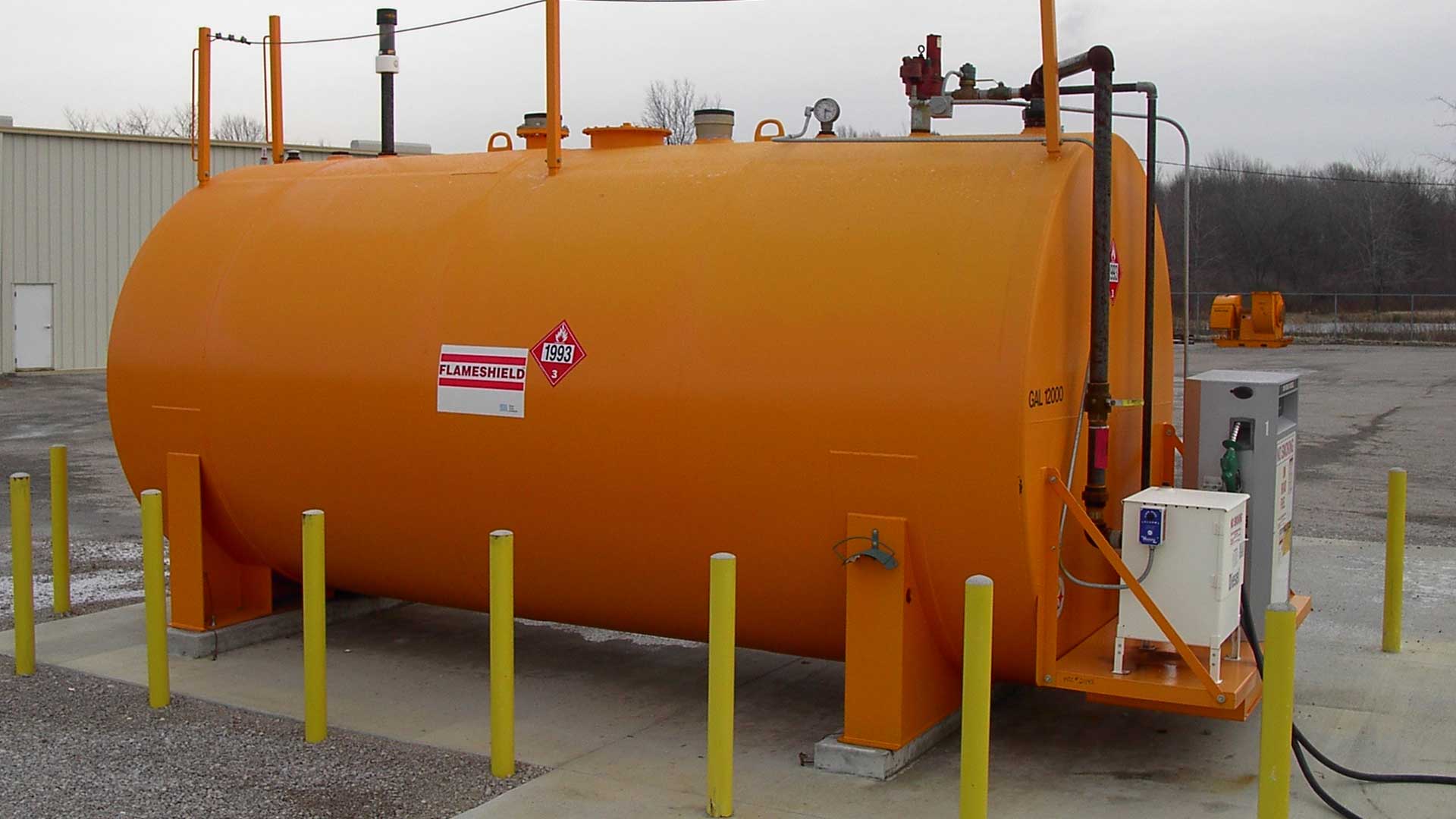
SP001 was created to fill the gap for shop-built tanks not adequately covered by API 653. These tanks are often smaller, can be of varied configurations, and are usually fabricated to third-party standards such as UL 142.
Key features of SP001 include:
- Applies to shop-fabricated tanks. It also allows an STI inspector to inspect small field-erected tanks (up to 30 feet wide and 50 feet high), however the STI inspector must use specific requirements for field erected tanks.
- Addresses entire tank systems, including spill control, tank piping and tank appurtenances like overfill prevention equipment.
- Risk-based approach, with inspection schedules tied to overall tank system design, tank systems that have design features to prevent or contain a release have a more beneficial inspection schedule.
- Can accommodate tanks with no interior access and unique configurations (double-wall, generator base tanks, rectangular designs).
- Offers specific guidance for the inspection of tanks storing thermoplastics, which are not addressed in most fire codes because thermoplastics are not considered liquids.
Unlike API 653, SP001 allows certain tanks to be inspected without being taken out of service, provided they meet design and monitoring requirements.
Comparing Advantages and Disadvantages
API 653 Advantages
- Comprehensive evaluation of large tanks.
- Long inspection intervals possible for well-performing tanks.
- Recognized internationally and by most regulators.
API 653 Limitations
- Tank must be drained and entered for inspection.
- Not easily applied to shop-built or non-API tanks, including double wall tanks.
- Only covers the tank, not the broader system
SP001 Advantages
- Considers the full tank system, not just the vessel.
- Applicable to small, shop-fabricated, and non-standard configurations.
- Less intrusive inspection schedules for tank systems that satisfy SP001 Category 1 requirements.
SP001 Limitations
- More restrictive for large tanks.
- Requires continuous release detection and spill control for the least intrusive inspection cycles.
- Does not address brittle fracture in thicker tanks
Inspection Schedules
Inspection cycles differ significantly between the standards.
API 653 requires monthly and annual checks by operators, external inspections every 5 years, and internal inspections initially at 10 years, with extensions possible to 20 years or more depending on condition.
SP001 inspection obligations include monthly and annual inspection that can be performed by the tank owner, or their assigned, qualified inspector. The frequency of formal inspections, which are performed by a certified inspector, will depend on tank category:
- Category 1: Incorporates spill control, overfill prevention, and continuous release detection; can often avoid taking tanks out of service.
- Category 2: Requires spill control but may still need internal inspection at 15–20 years.
- Category 3: No spill control; generally, results in the most demanding inspection requirements.
SP001 also provides specific inspection cycles for thermoplastic tanks, which are increasingly common and can be regulated under 40CFR 112, but not always regulated at the state level.
When to Use Each Standard
API 653 is required for large field-erected tanks built to API 650 or API 620, tanks regulated by PHMSA (49 CFR parts 192 and 195), and in states that specifically mandate API standards for certain types of tanks. It is also best when brittle fracture is a concern or when tanks store materials not compatible with the shell.
SP001 is ideal for shop-built tanks, double-wall or rectangular tanks, and Category 1 systems meeting modern construction codes and spill prevention requirements. It is often the most practical option for smaller tanks that need to remain in service during inspection
Repairs and Special Cases
API 653 specifies how repairs to API-type tanks must be carried out. Shop-fabricated tanks listed by a third party (such as UL 142 or UL 2085) should be repaired either by the original manufacturer or in accordance with SP031, subject to approval by the authority having jurisdiction (AHJ).
Conclusion
Both API 653 and SP001 play essential roles in tank inspection, but each applies to different circumstances. API 653 is the global standard for large, field-erected API tanks, while SP001 provides a more flexible framework for shop-built, small, or unique tank systems.
Tank owners, engineers, and inspectors must carefully evaluate tank size, construction type, contents, and regulatory environment to determine which standard is most appropriate. In many cases, the decision is not optional, as codes and regulations dictate the required standard. But when there is a choice, SP001 often offers advantages for shop-built systems, while API 653 remains indispensable for large field-erected tanks.
Comparison of STI SP001 vs. API 653 Tank Inspection Standards
| Feature | STI SP001 | API 653 |
|---|---|---|
| Scope | Shop-fabricated tanks; small field-erected tanks; double-wall, rectangular, generator base tanks; thermoplastic tanks | Field-erected tanks built to API 650/620/12C; large vertical, cylindrical tanks |
| Governing Body | Steel Tank Institute (STI/SPFA) | American Petroleum Institute (API) |
| Focus | Entire tank system (tank + spill control, overfill prevention, release detection) | Tank shell and structure only |
| Applicability | Best for small tanks and systems requiring inspection without shutdown | Required for large tanks, pressure tanks, and those regulated under PHMSA or state codes |
| Inspection Basis | Risk-based; categories based on tank system design (1, 2, 3) | Performance-based; focuses on condition of tank |
| Inspection Categories | Category 1 (spill control + CRDM + overfill prevention), Category 2 (spill control only), Category 3 (no spill control) | No categories; applies uniformly to covered tank designs |
| Inspection Intervals | Category 1 tanks may not need to be taken out of service; Categories 2 & 3 require external/internal inspections at defined intervals | Monthly & annual operator checks; external every 5 years; internal after 10 years, extendable up to 20+ years |
| Advantages |
|
|
| Disadvantages |
|
|
| Special Coverage | Thermoplastic tanks; UL-listed tanks; double-wall and rectangular tanks | API-type tanks, including those operating up to 15 psi under API 620 |
| Repairs | By original manufacturer or per SP031, with AHJ approval | Per API 653 requirements for field-erected tanks |
| Best Choice When | Tank is shop-built, smaller, double-wall, or requires inspection in service | Tank is field-erected, large, or regulated by PHMSA/state codes |