The initial construction price of a water storage tank represents only one portion of its total cost.
Water utilities and other tank owners continue to incur expenses throughout the life of the asset. These may include design, construction, operation, inspection, cleaning, coating maintenance, structural repairs, equipment replacement, modification, and eventual decommissioning.
Total cost of ownership and life-cycle costing provide frameworks for evaluating these costs over time. They allow owners to compare alternatives more accurately and make decisions that balance initial investment, performance, risk, maintenance, and long-term value.
What Is Total Cost of Ownership?
Total cost of ownership is the comprehensive assessment of the direct and indirect costs associated with an asset throughout its service life.
For a welded steel water storage tank, TCO begins with planning, engineering, permitting, materials, fabrication, transportation, site preparation, foundations, field erection, coating application, inspection, testing, and commissioning. It also includes future expenses such as operation, cleaning, routine inspection, coating maintenance, structural repair, component replacement, upgrades, outages, and temporary service.
At the end of the tank’s service life, the analysis may also include dismantling, site restoration, material recycling, and other decommissioning costs.
TCO helps owners look beyond the lowest initial bid and consider the full financial effect of owning, operating, maintaining, and eventually retiring the asset.
What Is Life-Cycle Costing?
Life-cycle costing is a financial method used to compare costs that occur at different times during an asset’s life.
A dollar spent many years in the future does not have the same economic value as a dollar spent today. For this reason, an LCC analysis may account for the timing of future expenses, inflation, discount rates, interest or cost of capital, expected service life, maintenance cycles, replacement timing, and residual value.
Net present value is often used to express future expenses in current dollars. This allows options with different initial costs, maintenance schedules, and expected service lives to be compared on a more consistent basis.
TCO identifies the full range of ownership costs. LCC provides the financial framework for evaluating when those costs occur and what they are worth in present terms.
Life-Cycle Stages of a Steel Water Storage Tank
Planning and Design
The planning and design stage may include system and capacity analysis, site selection, geotechnical investigation, hydraulic evaluation, structural design, environmental review, permitting, coating-system selection, construction planning, and life-cycle and risk analysis.
Decisions made during this stage can significantly influence future maintenance and operating costs. Tank configuration, access, appurtenance layout, coating details, safety systems, and the ability to inspect or repair the structure should all be considered before construction begins.
Proper sizing is also important. A tank that is not aligned with actual system needs may create operational inefficiencies, water-age concerns, or a need for future modification.
Procurement and Construction
Construction-phase costs may include steel and other materials, shop fabrication, transportation, foundations, site preparation, field erection, welding, coating application, equipment, inspection, testing, disinfection, and commissioning.
Initial cost should be evaluated together with construction quality, expected service life, future maintenance requirements, and the ability to inspect, repair, or modify the tank.
Workmanship during fabrication, erection, welding, surface preparation, and coating application can have a long-term effect on performance and cost. Deficiencies introduced during construction may not become evident until years later, when they can require more extensive maintenance or repair.
Operation
Operating costs may include monitoring, energy use, pumping, controls, mixing, water-quality testing, communications, security, and routine staffing.
Some operating costs are influenced more by the overall water system, tank elevation, location, and hydraulic operation than by the tank material itself. These costs should only be used as a material-comparison factor when a meaningful difference can be demonstrated.
Tank owners should also consider how operating practices affect maintenance. Water levels, cycling, temperature, water chemistry, sediment accumulation, and equipment use may influence the condition of the interior lining and other components.
Inspection and Maintenance
Inspection and maintenance are necessary to preserve structural integrity, coating performance, safety, and water quality.
Typical activities include interior and exterior inspections, cleaning, coating-condition assessments, localized coating repairs, recoating, corrosion-control maintenance, structural repairs, foundation or support work, appurtenance replacement, and safety upgrades.
Planned inspection gives owners information about the tank’s actual condition. This helps them address localized deterioration before it becomes more extensive and allows maintenance to be scheduled rather than performed as an emergency response.
Maintenance records are also an important part of asset management. Inspection reports, coating histories, photographs, repair documents, and cost records support future planning and improve the reliability of life-cycle assumptions.
Modification and Upgrade
A structurally sound welded steel tank may be modified to address changing system requirements.
Depending on the tank type and condition, modifications may include raising or lowering an elevated tank, changing capacity, relocating and re-erecting a tank, adding mixers or cathodic protection, upgrading ladders or platforms, installing monitoring equipment, or modifying piping, vents, hatches, and overflow systems.
Modification costs should be compared with replacement based on the expected remaining service life of the tank, the extent of necessary repairs, operational impacts, construction risk, and long-term system value.
The ability to modify an existing tank can preserve the value of the original structure and reduce the need for complete replacement. However, modification is not automatically the least-cost option. It must be supported by engineering evaluation and a realistic assessment of future maintenance needs.
Decommissioning
End-of-service costs may include tank isolation, dismantling, demolition, site restoration, disposal, environmental remediation, and material recycling.
Steel’s recoverable scrap value may offset a portion of these costs, but the net value depends on market conditions, site access, transportation, demolition requirements, and material condition.
Decommissioning should be considered during life-cycle planning, even when the expected service life extends many decades into the future.
Major Components of Life-Cycle Cost
Capital Cost
Capital cost includes the initial expenditures required to design, purchase, construct, and commission the tank.
These costs typically include engineering, permitting, tank fabrication, field erection, foundations, site work, coatings, inspection, testing, and equipment or appurtenances.
A lower capital cost does not necessarily produce the lowest life-cycle cost. A less expensive option may require more frequent maintenance, have a shorter service life, provide fewer repair or modification options, or create greater operational risk.
Coating Cost
Protective coating systems are one of the most significant recurring maintenance considerations for steel water storage tanks.
Coating-related expenses may include condition assessments, localized repairs, overcoating, complete removal and replacement, containment, surface preparation, application, environmental compliance, inspection, tank outage, cleaning, disinfection, and return to service.
The coating system should be evaluated as an asset with its own service life and maintenance cycle. The principal steel structure may remain serviceable through multiple coating cycles.
The lowest-cost coating system at construction may not provide the lowest long-term cost. Owners should compare expected service life, maintenance requirements, application conditions, future recoating needs, and the consequences of premature failure.
Inspection and Cleaning Cost
Regular inspection and cleaning help owners understand tank condition, maintain water quality, and identify problems before they become more extensive.
Inspection costs may include preparation, access, safety measures, professional evaluation, testing, documentation, and operational coordination. Cleaning may require tank isolation, removal of sediment or debris, worker protection, inspection, disinfection, and water-quality testing before the tank returns to service.
These costs should be weighed against the financial and operational risk of undetected deterioration, contamination pathways, coating failure, or structural damage.
Repair and Component-Replacement Cost
The components of a steel water storage tank do not all have the same service life.
Coating systems, cathodic protection, valves, piping, ladders, platforms, hatches, vents, mixers, sensors, electrical equipment, communications systems, seals, and gaskets may require maintenance or replacement while the principal steel structure remains in service.
This distinction is important when evaluating tank life. Replacing an individual component does not necessarily mean the tank itself has reached the end of its useful service.
Repairability can also influence long-term cost. Localized corrosion, damaged appurtenances, coating deterioration, and some structural deficiencies may be repaired without replacing the entire tank.
Outage and Temporary-Service Cost
Tank maintenance, coating work, modification, or replacement may require the asset to be removed from service.
Associated costs can include temporary storage, changes in pumping or pressure management, operational adjustments, customer communication, temporary equipment, construction sequencing, disinfection, testing, and schedule extensions.
These costs may be substantial and should be considered when comparing project alternatives. An option with a lower construction price may create greater operational disruption or require more extensive temporary measures.
Risk Cost
Risk is difficult to express as a single line item, but it is an important part of asset decision-making.
Potential risks include unplanned failure, emergency repair, water-quality impacts, safety hazards, regulatory noncompliance, schedule delay, cost escalation, loss of storage capacity, and unknown existing conditions.
A life-cycle analysis should consider both the likelihood of an adverse event and the consequences if it occurs. Two options with similar projected costs may have very different risk profiles.
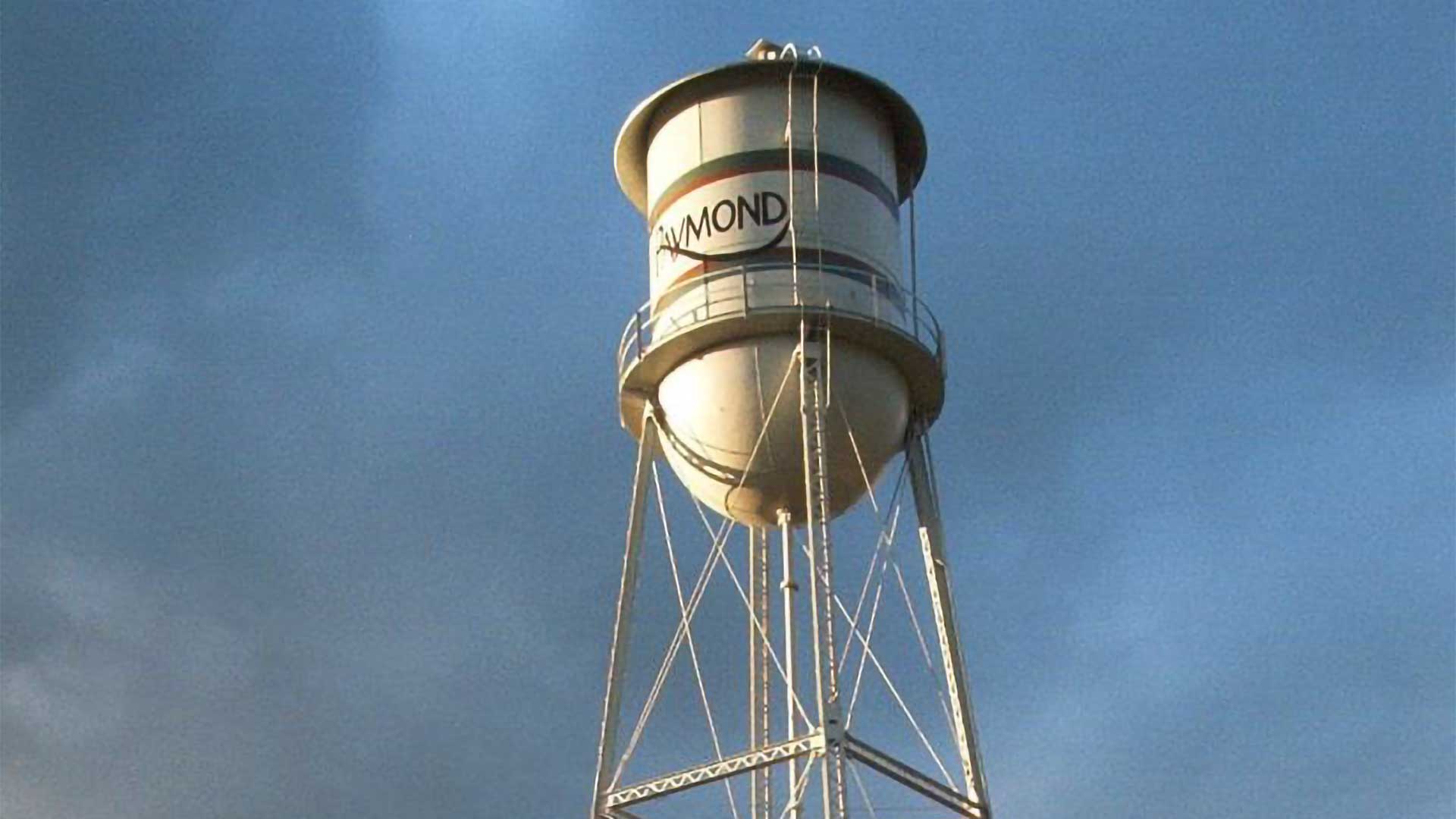
The City of Raymond’s 30,000-gallon steel water storage tank dates to 1905 and has served the community for more than a century.
Factors That Influence TCO and LCC
Design and Construction Quality
Proper sizing, structural design, corrosion protection, coating details, access, appurtenance layout, and maintainability can reduce long-term risk and expense.
Construction quality also affects future performance. Welding, surface preparation, coating application, inspection, testing, and documentation should meet the project requirements and applicable standards.
Environmental Exposure
Coastal, industrial, humid, cold, and high-temperature environments may affect coating selection and maintenance frequency.
Local wind, seismic conditions, soil characteristics, foundation performance, and accessibility may also influence inspection, repair, and construction costs.
Water-Service Conditions
Water chemistry, tank cycling, temperature, sediment, operating levels, and interior exposure can influence lining performance and maintenance needs.
These conditions should be considered when selecting coating systems and establishing inspection or cleaning practices.
Maintenance Strategy
Owners that inspect routinely and address localized deterioration early may be able to use targeted maintenance rather than waiting for widespread failure.
Deferring maintenance may reduce near-term expense but increase the scope and cost of future work. A preventive approach often provides greater control over schedule, budget, and system operations.
Access and Site Conditions
Difficult access, limited staging space, adjacent development, environmental restrictions, crane limitations, and utility conflicts may increase maintenance and construction costs.
These factors can affect both the initial project and every major inspection, recoating, repair, or modification performed during the tank’s life.
Technology and Monitoring
Monitoring tools can improve asset information and support maintenance planning. Sensors, controls, communications systems, and digital records may help owners track operation, coating condition, water quality, and equipment performance.
Technology should be evaluated based on demonstrated value, installation cost, maintenance requirements, staff capacity, and compatibility with the utility’s existing systems.
Regulatory and Safety Requirements
Changes in structural, safety, environmental, coating, and drinking-water requirements may affect current and future costs.
Older tanks may remain structurally serviceable but require upgrades to access systems, appurtenances, coatings, or other features when major work is performed.
Strategies for Reducing Life-Cycle Cost
Design for Inspection and Maintenance
Access, safety systems, appurtenance layout, coating details, and future maintenance needs should be considered during design. A tank that is easier to inspect and maintain may have lower long-term costs and less operational disruption.
Select Coatings Based on Life-Cycle Value
Coating systems should be compared based on expected service life, environmental exposure, application requirements, maintenance needs, and future recoating costs rather than initial price alone.
Inspect and Maintain the Tank Regularly
Regular inspection provides the condition information needed to plan repairs and capital projects. Localized deterioration may be less expensive to address when it is identified early.
Maintain Accurate Asset Records
Drawings, specifications, inspection reports, coating histories, photographs, repairs, component replacements, and cost records improve future decision-making and make life-cycle assumptions more reliable.
Compare Repair, Modification, and Replacement
Owners should not assume that replacement is always necessary or that modification is always less expensive. Each option should be evaluated based on condition, feasibility, expected service life, operational impact, risk, and long-term cost.
Preserve the Existing Asset When Practical
Recoating, structural repair, appurtenance replacement, and modification may preserve the embodied and financial value of an existing steel structure.
Plan for End-of-Service Recovery
Steel can be dismantled and recycled. Potential material recovery should be considered while recognizing that demolition, transportation, preparation, and market conditions affect the actual net value.
A Practical Comparison Framework
When evaluating tank alternatives, owners should compare:
- Required capacity and hydraulic performance
- Initial design and construction cost
- Expected service life
- Inspection and cleaning requirements
- Coating and corrosion-control needs
- Maintenance and replacement cycles
- Repairability
- Ability to modify or upgrade the asset
- Outage and temporary-service requirements
- Operational impacts
- Project and asset risk
- Residual value
- Decommissioning and recycling costs
- Net present value
The assumptions used in the analysis should be clearly documented. Changes in expected service life, coating intervals, repair frequency, discount rate, or future cost can significantly affect the result.
Sensitivity analysis may be helpful when important assumptions are uncertain. Comparing more than one reasonable scenario can show which variables have the greatest effect on the final decision.
Common Mistakes
Comparing Only Initial Cost
Initial construction cost is important, but it does not represent the full cost of owning the tank.
Assuming Maintenance Occurs on a Fixed Schedule
Maintenance timing depends on coating condition, exposure, construction quality, operation, inspection findings, and the owner’s risk tolerance.
Treating the Tank as One Component
The structure, coating system, foundation, piping, appurtenances, and equipment have different maintenance and replacement cycles.
Ignoring Outage and Operational Costs
A project with a lower construction cost may create greater operational disruption or require more expensive temporary-service measures.
Using Unsupported Service-Life Assumptions
Life-cycle results are only as reliable as the assumptions used. Service-life and maintenance assumptions should be based on applicable standards, inspection data, documented experience, and qualified technical judgment.
Excluding Modification as an Option
A structurally sound steel tank may be adaptable to changing pressure, capacity, safety, water-quality, or equipment needs.
Treating the Lowest Net Present Value as the Only Decision Factor
Financial results should be considered together with reliability, risk, water quality, operational flexibility, safety, and the owner’s long-term system objectives.
Conclusion
Total cost of ownership and life-cycle costing provide a more complete way to evaluate steel water storage tanks than initial construction cost alone.
Steel tanks offer several characteristics that can support long-term asset value. They can be inspected, recoated, repaired, upgraded, modified, dismantled, and recycled. Individual components can be renewed while the principal structure remains in service.
The strongest analysis uses realistic assumptions, considers operational and risk-related costs, and compares alternatives over a common period. This allows tank owners to make decisions that balance cost, performance, reliability, flexibility, and long-term system needs.