The Steel Advantage: Built to Last
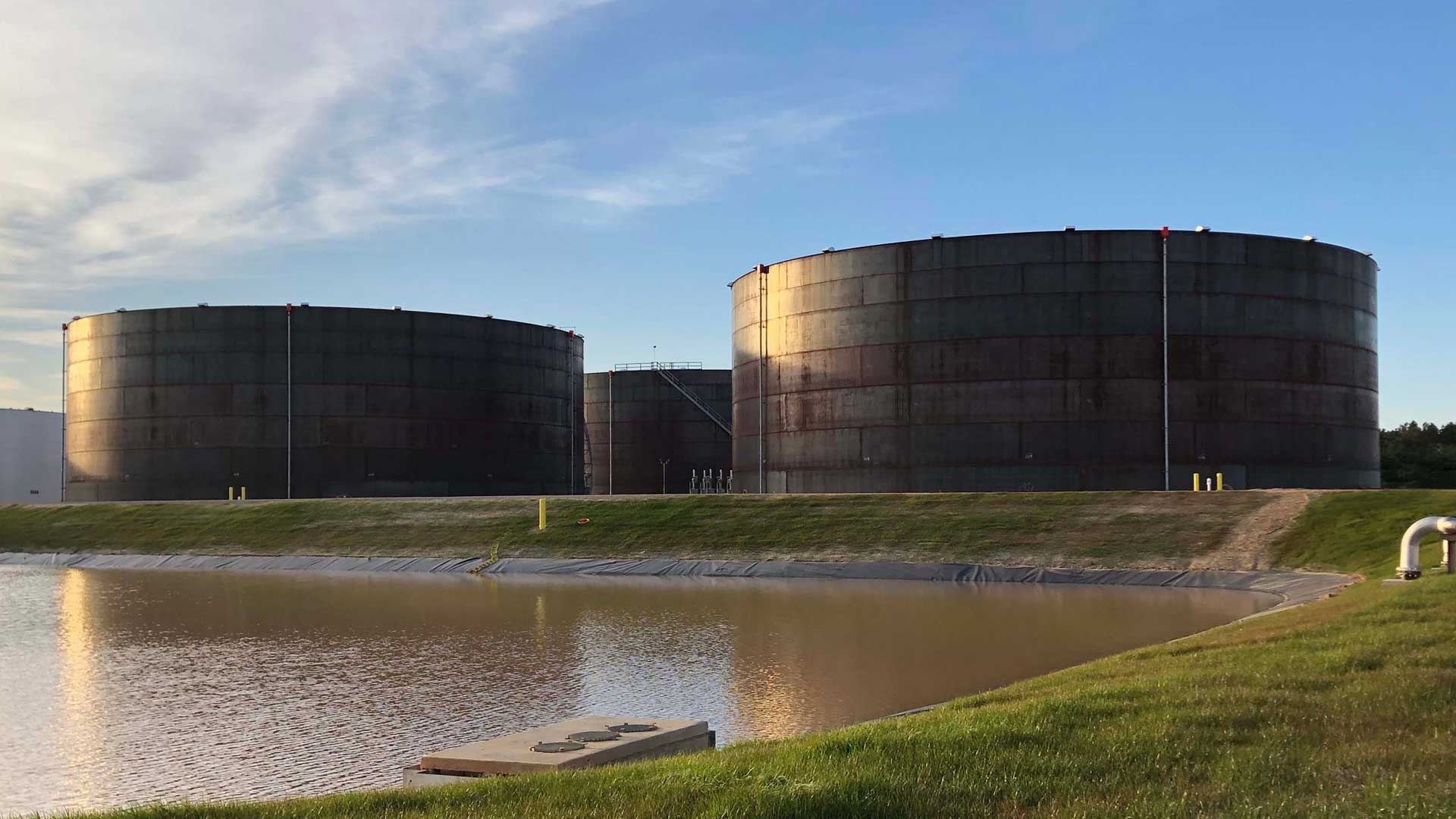
Steel water storage tanks have been a trusted and proven solution for water storage for more than a century. Their widespread adoption is due to the advantages steel provides for this application, positioning welded steel tanks as an industry standard for reliable, cost-effective, long-term water storage.
Long Life Cycle
Welded steel tanks are renowned for their impressive lifespan. The typical life cycle of a welded steel water storage tank includes periodic inspection, general maintenance and repairs, and maintenance of a high-performance coating system. When properly designed and maintained, it is common for a steel tank to deliver more than 100 years of service life.
Documented Performance
STI/SPFA maintains a Century Club list featuring properly maintained steel tanks that have provided at least 100 years of service. This list continues to grow, offering real-world evidence of steel’s durability and resilience in diverse environments.
Extended Asset Value
Steel tanks can retain their structural capacity and service potential as individual components reach the end of their service lives. Routine recoating, repairs, and replacement of appurtenances or other components can preserve the value of the principal tank structure.
Preventive Maintenance
AWWA M42, Steel Water-Storage Tanks, states that a good, comprehensive preventive maintenance program can extend the life of an existing tank indefinitely. This concept recognizes that the tank, coating system, and individual components have different maintenance needs and service lives.
Flexible and Adaptable Design
Steel tanks offer flexibility in design, location, storage, and aesthetics. Creative designs can be integrated into a project through the tank’s construction and through unique decorative murals, logos, or coating designs. These opportunities can help a tank meet operational requirements while also reinforcing community identity.
Relocation Potential
Steel tanks can be dismantled and re-erected in new locations. Such situations may occur because of the relocation of an industrial facility, redevelopment, or changes in demand associated with shifting population and housing patterns.
Architectural Integration
Customized coatings, murals, logos, and design features can help a tank complement its surroundings or serve as a recognizable community landmark.
Configuration Flexibility
Steel can be used for a range of tank configurations, capacities, heights, and site conditions, allowing the tank to be designed around the hydraulic and operational needs of the water system.
Ease of Modification
Water systems evolve, and steel tanks can evolve with them. A water utility may thoroughly maintain a tank while system demands change, pressure zones are revised, or two systems merge. In these situations, a tank may become too short or too tall for the new hydraulic requirements. A structurally sound steel storage tank, with the involvement of qualified engineers and specialty tank contractors, may be modified to accommodate these changes.
Height Modification
Steel tanks can be raised or lowered to meet revised pressure-zone or hydraulic requirements.
Size and Capacity Changes
Contractors may be able to modify the capacity of a structurally sound tank. Modifying the existing structure can be a cost-effective solution for shifting needs, offering an alternative to replacement while maximizing the value of the current asset.
Accessory Integration
Steel tanks can accommodate mixers, cathodic protection systems, monitoring equipment, sensor networks, and other technologies as operating practices and system requirements change.
All modifications require engineering evaluation. The condition of the existing structure, foundation, coatings, appurtenances, and hydraulic system must be considered before work proceeds.
Consistent and Reliable Quality
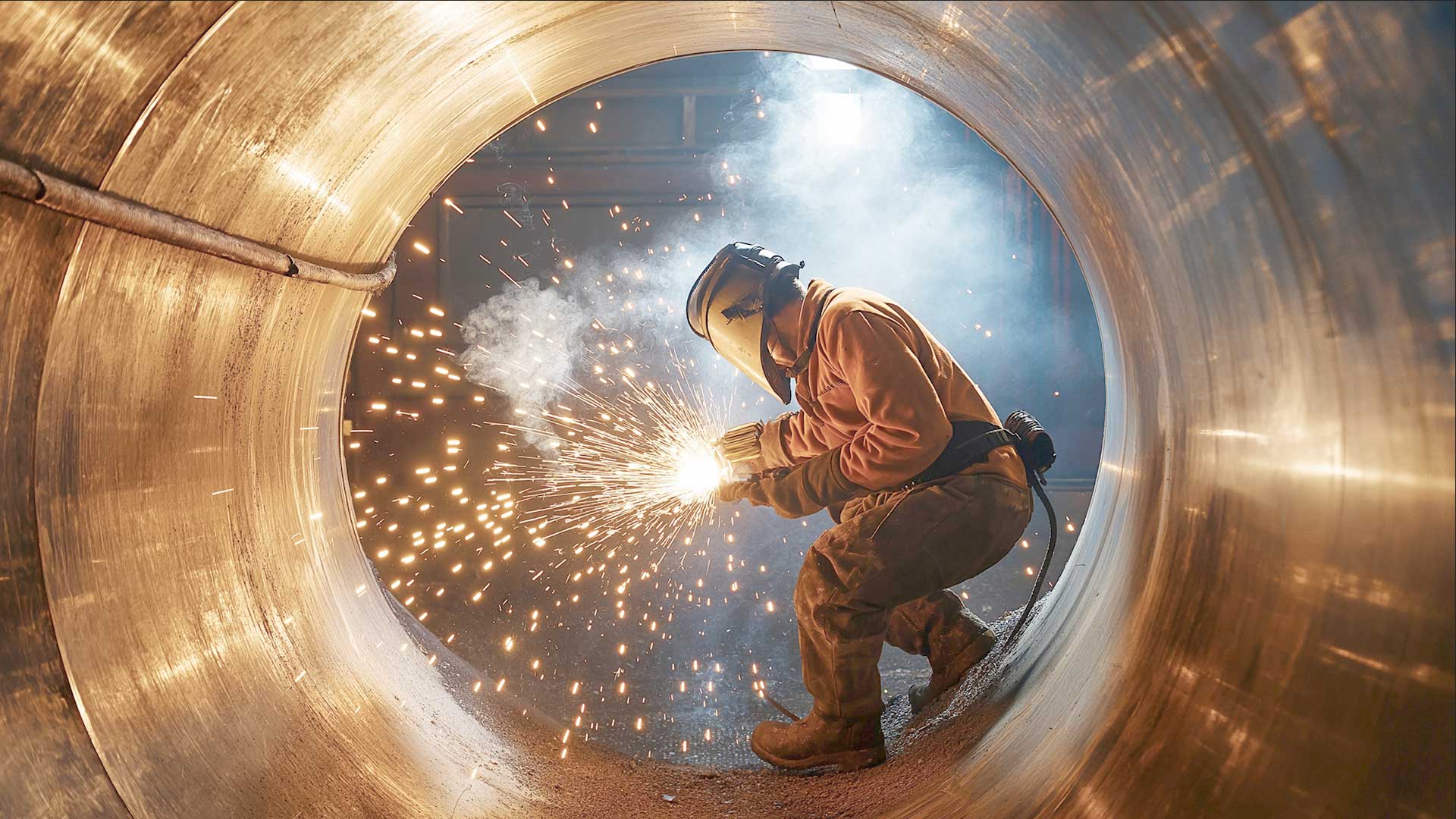
Steel tank fabrication and field erection adhere to established industry standards that support consistency and structural integrity. The design and construction of welded tanks typically follow ANSI/AWWA D100, which establishes minimum requirements for the design, fabrication, erection, testing, and inspection of welded carbon steel tanks for water storage.
Quality Assurance and Quality Control
Manufacturers and constructors implement inspections during plate fabrication and field erection. Destructive and nondestructive testing methods may be used as required to confirm that materials, welds, and construction meet applicable requirements.
Uniform Substrate
Steel plate is produced to recognized material specifications with defined chemical and mechanical properties. Standardized testing provides predictable material performance across projects and locations.
Established Construction Practices
Decades of engineering, fabrication, welding, field erection, and inspection experience support uniform construction practices and dependable performance.
Structural Resilience
Steel tanks are a stable and resilient choice for water storage. Their performance is supported by engineering design, established standards, case histories, and testing that consider environmental conditions such as wind, seismic loading, temperature, and other site-specific demands.
Dependable Welded Connections
Connections in welded steel tanks are formed by fitting and welding steel plates in accordance with established standards and procedures. These connections have demonstrated reliable performance across generations of water infrastructure projects.
Site-Specific Design
The tank’s engineering can account for wind, seismic activity, temperature, foundation conditions, and other local environmental factors.
Repairability
When localized damage or deterioration is identified, steel components and welded connections can often be evaluated and repaired without replacing the entire tank.
Steel water storage tanks combine durability, adaptability, consistent material properties, and standards-based construction. These qualities provide municipalities and water-system owners with a dependable long-term storage asset.
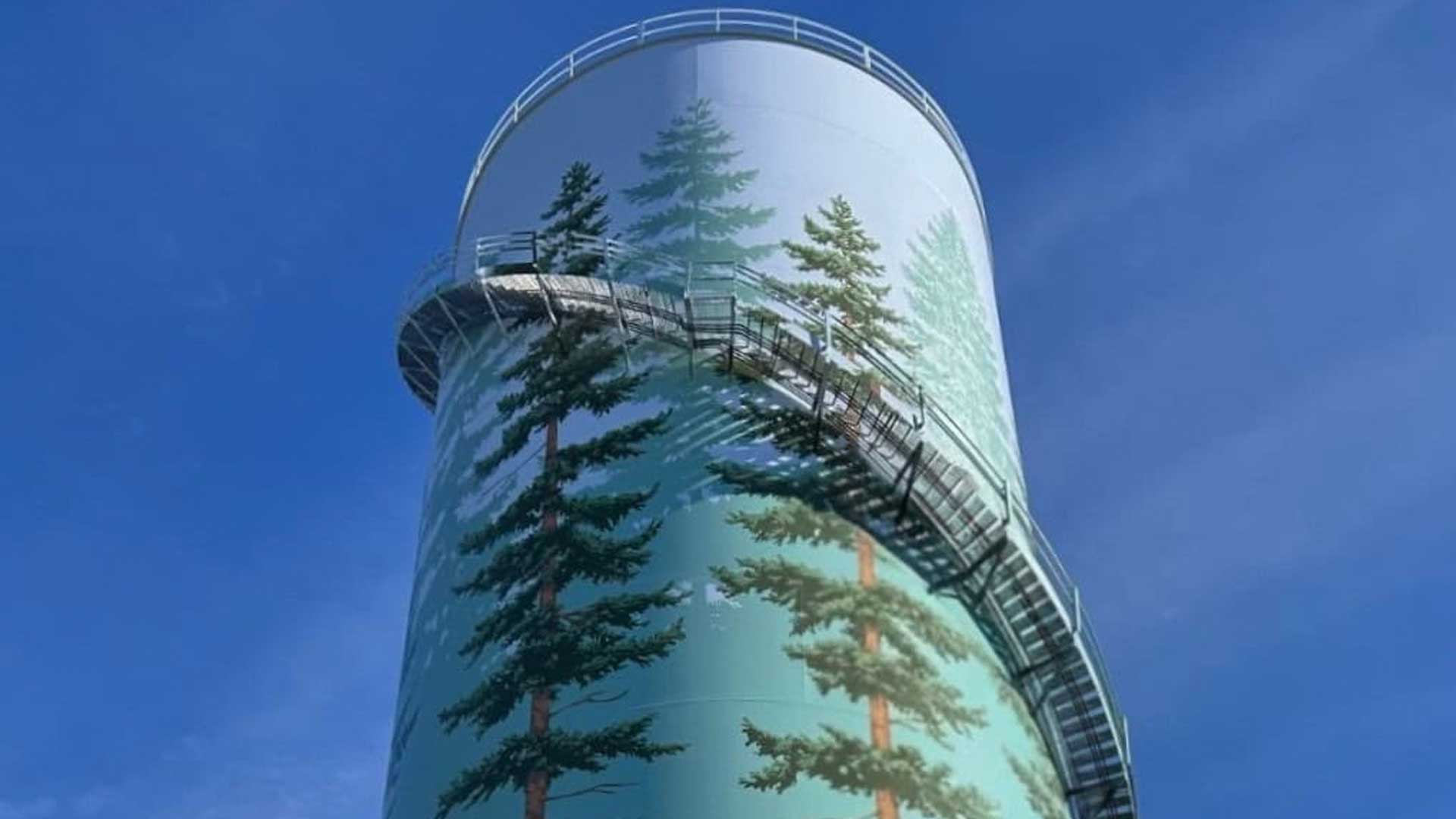
The Southeast Reservoir standpipe in Yelm, Washington, demonstrates how protective coating systems can combine long-term protection with customized design and community aesthetics.
Protective Coatings for Steel Water Storage Tanks
Steel water storage tanks are a critical part of a water utility’s distribution network and represent a significant infrastructure investment. Steel exposed to the environment will deteriorate or rust if it is not properly protected. Protective coatings provide a cost-effective way to protect both interior and exterior tank surfaces. Coatings used to protect steel tank interiors are commonly referred to as linings.
A steel water storage tank protected by properly selected, applied, inspected, and maintained interior and exterior coating systems can remain in service for generations. The key to achieving long service life is to select and maintain a high-performance protective coating system. Like other assets within a water utility, each coating system has its own maintenance requirements, service life, and life-cycle costs.
AWWA D102 and Coating-System Selection
Steel water tank owners look to AWWA D102 for protective coating-system options. The standard is a consensus document prepared by interested parties across the water sector and reflects the industry’s best thinking and available technologies at the time of publication.
AWWA D102 is organized around exterior coating-system options and interior potable-water coating-system options. It provides minimum requirements, while the selection of the appropriate system remains the responsibility of the tank owner and project team.
The D102 Appendix explains why multiple systems are included:
Several generic types of coating systems are included in D102 because it has been determined that no single coating system is best suited for all service exposures or application conditions. The coating systems presented are not equivalent in terms of expected service life or initial and long-term costs.
The Appendix further recommends that purchasers establish site-specific exposure conditions and conduct an economic evaluation of coating systems using life-cycle cost analysis techniques. This approach recognizes that coating selection should reflect the service environment, expected performance, maintenance strategy, and total cost of ownership.
Coating Systems as Managed Assets
Tank owners often apply asset-management practices when selecting and maintaining coating systems. A coating system can be viewed as an asset in and of itself because it protects another asset: the tank. Its selection, application, inspection, maintenance, and eventual replacement directly affect tank performance and life-cycle cost.
This approach has resulted in greater use of coating systems that offer longer service life and lower long-term cost. For steel tank interiors, owners commonly use zinc-rich primers and high-build epoxy topcoats, including systems identified in AWWA D102 as ICS-3 or ICS-6. For exteriors, systems such as OCS-4 use a zinc-rich primer, a polyurethane intermediate coat, and a fluoropolymer topcoat.
When properly selected, applied, and maintained, these interior and exterior systems can approach or exceed 30 years of service. Improvements in coating technology have lengthened the interval before major coating work may be required, helping lower the total cost of ownership for steel tanks.
Full Replacement and Overcoat Systems
The interior and exterior systems commonly selected for new tanks are also typically used when an existing coating has reached the end of its service life and is fully removed and replaced. Their extended service life can provide the owner with favorable life-cycle cost.
In some situations, an owner may choose to overcoat the existing system rather than remove and replace it. Overcoating can extend service life, but it also involves risk. The performance of an overcoat depends on the adhesion of the existing coating to the steel, adhesion between existing coats, the total coating thickness, the condition of the substrate, and the service environment. Frequent freeze-thaw cycling and other environmental conditions may increase risk.
To minimize risk, coating manufacturers may recommend systems with low curing stress, flexibility, and compatibility with the existing coating. Tank owners should consult qualified coating manufacturers, engineers, and inspection professionals when determining whether overcoating is appropriate. Depending on the integrity of the existing coating and the service environment, overcoat systems may provide an additional 15 to 20 years of service.
Surface Preparation, Application, and Inspection
Coating manufacturers can provide case histories demonstrating the service life of coating technologies included in AWWA D102. Regardless of the system selected, coating performance depends on proper surface preparation, proper application, and attention to required maintenance.
Tank owners often rely on qualified third-party inspection firms to provide assurance that coating systems are applied in accordance with project specifications and manufacturer requirements. Gregory R. “Chip” Stein, PE, has emphasized the importance of independent observation:
The key to the longevity of any coating project is the quality of the work. The unbiased, third-party, knowledgeable professional observation of the contractor’s work is one of the most important parts of a coating project. The best-written, most thorough specifications do not ensure the project is completed correctly. On-site third-party project representatives provide both a visual and documentation trail that verifies that the Owner receives the level of quality and product service life they are paying the contractor to provide.
Steel Water Storage Tanks and Water Quality Management
Water-quality management in storage tanks is critically important to water-system operators. Storage tanks may be far removed from treatment facilities, and disinfectant residual naturally decays with time in the distribution system and storage tanks. Sediment, mineral accumulation, water age, and biofilm can also affect water quality.
Steel water storage tanks offer advantages that can assist utilities with the maintenance of disinfectant residuals and overall water quality. Regular cleaning and removal of naturally occurring sediment and mineralization can minimize residual loss and reduce conditions that support biofilm growth. Mature biofilm can reduce disinfectant residual, contribute to the formation of disinfection byproducts, and create taste-and-odor concerns.
Research published in the September 2015 issue of AWWA Opflow reported that uncoated concrete surfaces can encourage biological fouling and contribute to water-quality compliance concerns. The article also reported that protective coatings can help deter biofilm deposits.
Steel water storage tanks lined with a potable-water coating system that meets applicable NSF/ANSI/CAN Standard 61 requirements can help protect water quality by providing a cleanable barrier between the stored water and the steel substrate.
Material selection alone does not ensure water quality. Tank configuration, water turnover, mixing, cleaning, inspection, coating condition, distribution-system operation, and water age all influence performance. With proper operation and maintenance, steel tanks can support hydraulic performance and consistent water quality throughout the distribution system.
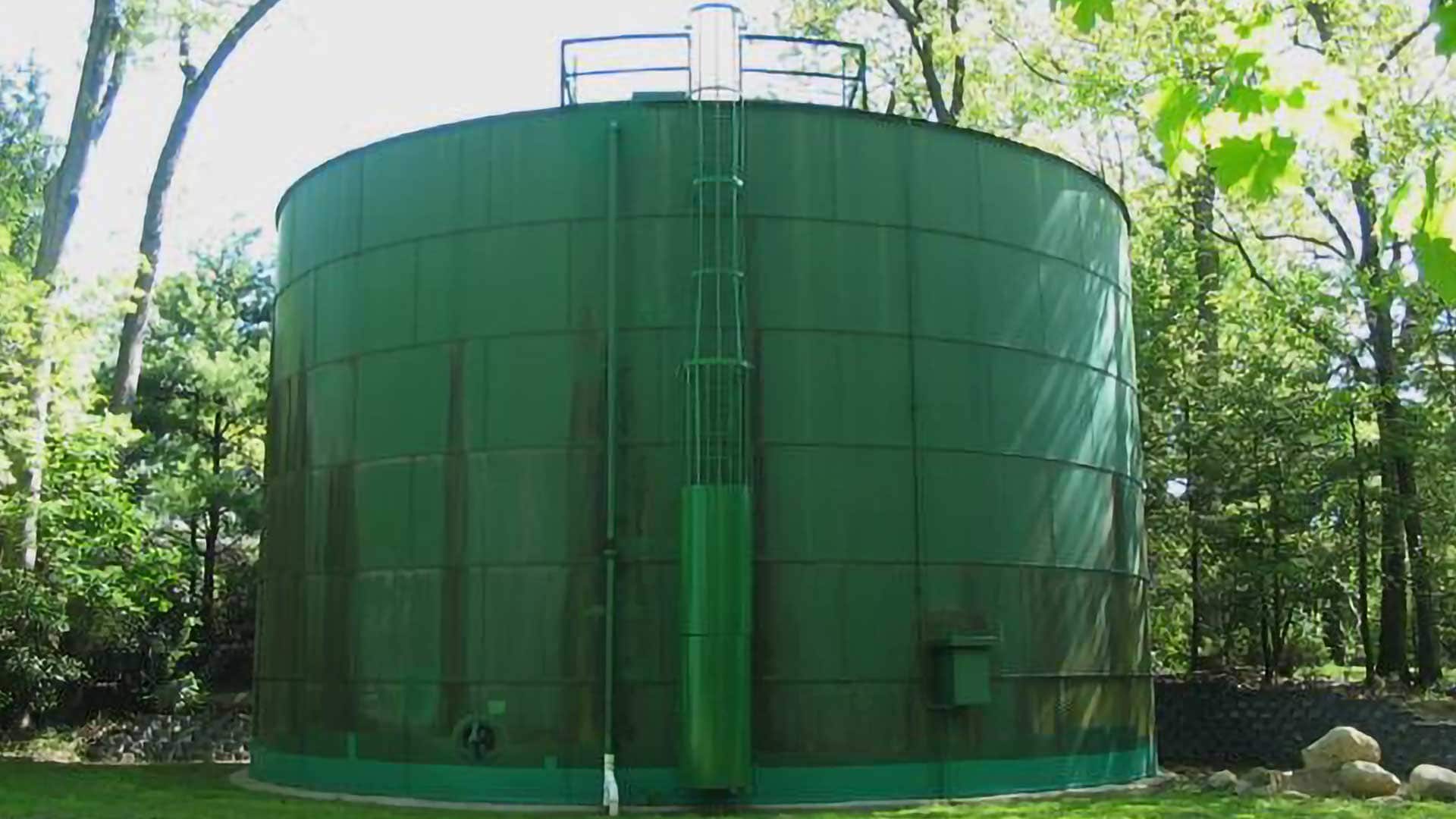
The Valley View Tank in Ridgewood, New Jersey, has been in service since 1901 and is recognized by STI/SPFA’s Century Club for more than 100 years of active service.
Total Cost of Ownership and Life-Cycle Costing
Welded steel water storage tanks are widely used for their strength, durability, adaptability, and ability to withstand a range of environmental conditions. Evaluating the cost-effectiveness of these tanks requires more than an analysis of the upfront capital investment.
The American Water Works Association describes asset management as a full life-cycle approach that begins with planning and design and continues through operation, maintenance, rehabilitation, replacement, and disposal. Total Cost of Ownership and Life-Cycle Costing are important tools for evaluating the true cost of an asset from planning and installation through decommissioning.
Definitions and Importance
Total Cost of Ownership
A comprehensive assessment of direct and indirect costs associated with ownership of a welded steel water storage tank over its entire life cycle. These costs may include design, purchase, construction, operation, inspection, cleaning, maintenance, repairs, modification, component replacement, and decommissioning.
Life-Cycle Costing
A technical approach that evaluates costs incurred during each phase of the tank’s life. It can incorporate the time value of money and is useful when comparing different designs, systems, materials, and maintenance strategies on an equitable basis.
TCO and LCC help owners make informed decisions by recognizing that the tank structure, coating system, appurtenances, mixers, cathodic protection systems, monitoring equipment, and other components may have different service lives and maintenance requirements.
Key Stages of a Welded Steel Tank’s Life Cycle
- Design and Planning: Engineering design, site analysis, hydraulic requirements, regulatory compliance, foundation considerations, material selection, coating-system selection, and project specifications.
- Procurement and Installation: Steel plate, fabrication, welding labor, transportation, site preparation, field erection, testing, inspection, and construction management.
- Operation: Day-to-day operation of the storage facility, including monitoring, mixing, pumping, treatment integration, security, and control systems where applicable.
- Maintenance: Periodic inspection, cleaning, coating maintenance, corrosion-control measures, structural repairs, and replacement of individual components as they approach the end of their service lives.
- Modification and Rehabilitation: Raising or lowering the tank, modifying capacity, replacing appurtenances, installing new technology, recoating, and completing repairs that preserve the existing asset.
- End of Life and Decommissioning: Dismantling, removal, disposal, recycling, environmental remediation if required, and potential recovery of material value.
Components of Life-Cycle Cost
A complete cost evaluation should consider the following categories:
- Capital Costs: Design and engineering fees, permits, inspections, tank fabrication, foundation and site work, field erection, coating application, and construction management.
- Operational Costs: Monitoring, energy use, mixing, pumping, treatment integration, staffing, and control systems where applicable. Some operational costs may be similar across tank materials and should be included only when they are relevant to the comparison.
- Maintenance Costs: Routine inspections, structural assessments, cleaning, coating maintenance, corrosion control, repairs, component replacement, and water-quality testing.
- Repair and Replacement Costs: Localized corrosion, structural damage, coating deterioration, mechanical wear, extreme weather, seismic activity, and failure of pumps, valves, mixers, seals, or other components.
- Decommissioning Costs and Value Recovery: Dismantling, removal, disposal, environmental work, and recycling. The recoverable value of steel may help offset a portion of end-of-life costs.
Time Value of Money
Life-cycle costing should account for the time value of money. Future costs of operation, inspection, maintenance, coating work, repair, component replacement, and decommissioning can be discounted to present value. Net present value is commonly used to compare alternatives so that current and future expenditures are evaluated on a consistent basis.
Factors That Influence TCO and LCC
- Tank Design and Materials: Proper sizing, structural design, material selection, and corrosion protection can reduce long-term risk and cost.
- Environmental Conditions: Coastal locations, industrial environments, humidity, temperature, freeze-thaw cycling, wind, and seismic conditions can influence coating selection, inspection frequency, and maintenance needs.
- Quality of Construction and Coating Application: Fabrication, welding, surface preparation, coating application, and inspection quality directly affect performance and future costs.
- Maintenance Strategy: Regular inspection, cleaning, spot repair, maintenance repainting, and full repainting can help prevent expensive unplanned failures.
- Technological Integration: Sensors, monitoring systems, and digital asset-management tools may improve condition tracking and planning when they are selected and managed appropriately.
- Regulatory Compliance and Safety: Applicable safety, environmental, and water-quality requirements influence both initial and ongoing costs. Noncompliance can create additional cost and operational risk.
Strategies for Reducing TCO and LCC
- Optimize the tank design for durability and site-specific environmental conditions.
- Select coating systems using service exposure, expected performance, maintenance requirements, and life-cycle cost.
- Establish a preventive maintenance program that includes inspection, cleaning, repairs, and coating maintenance.
- Treat the coating system and other tank components as managed assets with individual service-life expectations.
- Use qualified contractors and independent inspection to support construction and coating quality.
- Evaluate repair, modification, and component replacement before assuming the entire tank must be replaced.
- Recycle or repurpose steel and other materials when a tank is decommissioned.
By considering the complete life of the asset, water utilities and industrial operators can make decisions that balance cost, performance, reliability, and sustainability.
Sustainability and End-of-Life Value
The sustainability of a water storage tank should be evaluated over its full life cycle. Initial material selection is only one part of that assessment. Service life, maintenance, repairability, adaptability, replacement frequency, decommissioning, and material recovery all influence the environmental and economic performance of the asset.
Steel water storage tanks support sustainable asset management in several ways:
- Long Service Life: Properly designed and maintained tanks can remain in service for more than a century, reducing the need for complete replacement.
- Renewable Protective Systems: Coatings can be maintained, repaired, overcoated, or replaced while preserving the principal steel structure.
- Repairability: Localized deterioration or damage can often be repaired rather than requiring replacement of the entire tank.
- Adaptability: Existing tanks can be modified to address changing pressure zones, capacity needs, operating practices, and technology requirements.
- Material Recovery: Steel can be dismantled and recycled at the end of service, and its recoverable material value may help offset decommissioning costs.
These characteristics preserve the embodied value of the existing structure and allow owners to extend the useful life of an infrastructure investment. When comparing materials, sustainability should be evaluated using project-specific or independently reviewed life-cycle data.
Conclusion
Welded steel water storage tanks offer a compelling combination of long service life, structural reliability, adaptability, consistent quality, and proven performance. Their design and construction are supported by established standards, while protective coating systems and preventive maintenance provide a practical framework for corrosion control and long-term asset preservation.
Steel tanks can be inspected, cleaned, repaired, recoated, modified, and equipped with new technologies as water-system needs change. These characteristics allow owners to preserve structurally sound assets and manage individual components according to their own service lives.
Total cost of ownership and life-cycle costing provide the most complete framework for evaluating water storage alternatives. By considering all phases of the tank’s life, owners can make informed decisions that balance initial cost, ongoing maintenance, performance, reliability, adaptability, and end-of-life value.
When designed, constructed, coated, inspected, operated, and maintained in accordance with applicable requirements, welded steel water storage tanks provide water utilities and other owners with durable infrastructure capable of serving communities for generations.
References
American Water Works Association. AWWA D100, Welded Carbon Steel Tanks for Water Storage.
American Water Works Association. AWWA D102, Coating Steel Water-Storage Tanks.
American Water Works Association. AWWA Manual M42, Steel Water-Storage Tanks.
American Water Works Association. AWWA Policy Statement on Asset Management.
American Water Works Association. Opflow, September 2015.
NSF. NSF/ANSI/CAN 61, Drinking Water System Components.
Association for Materials Protection and Performance. Standards and technical resources concerning protective coatings and coating maintenance.