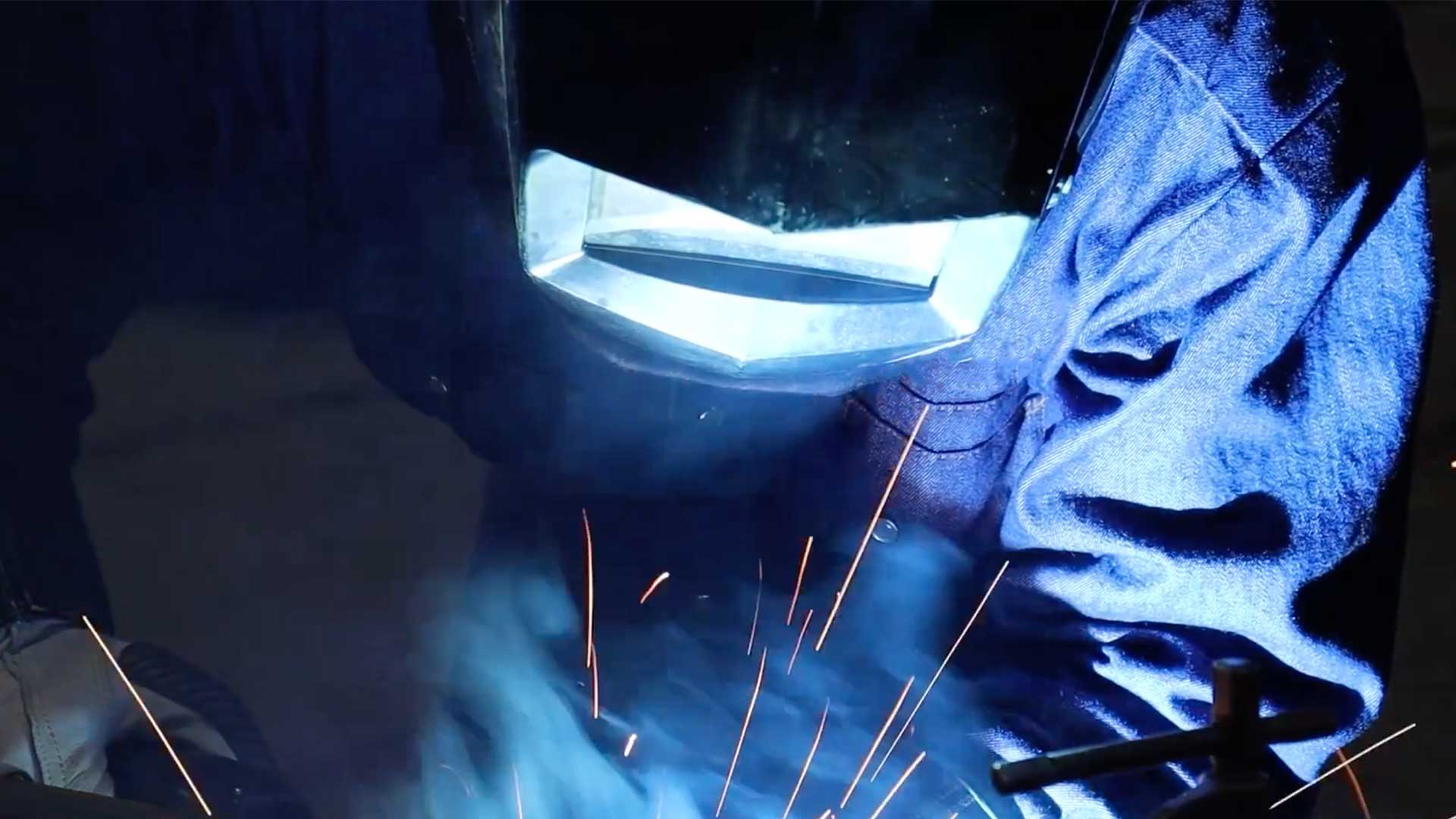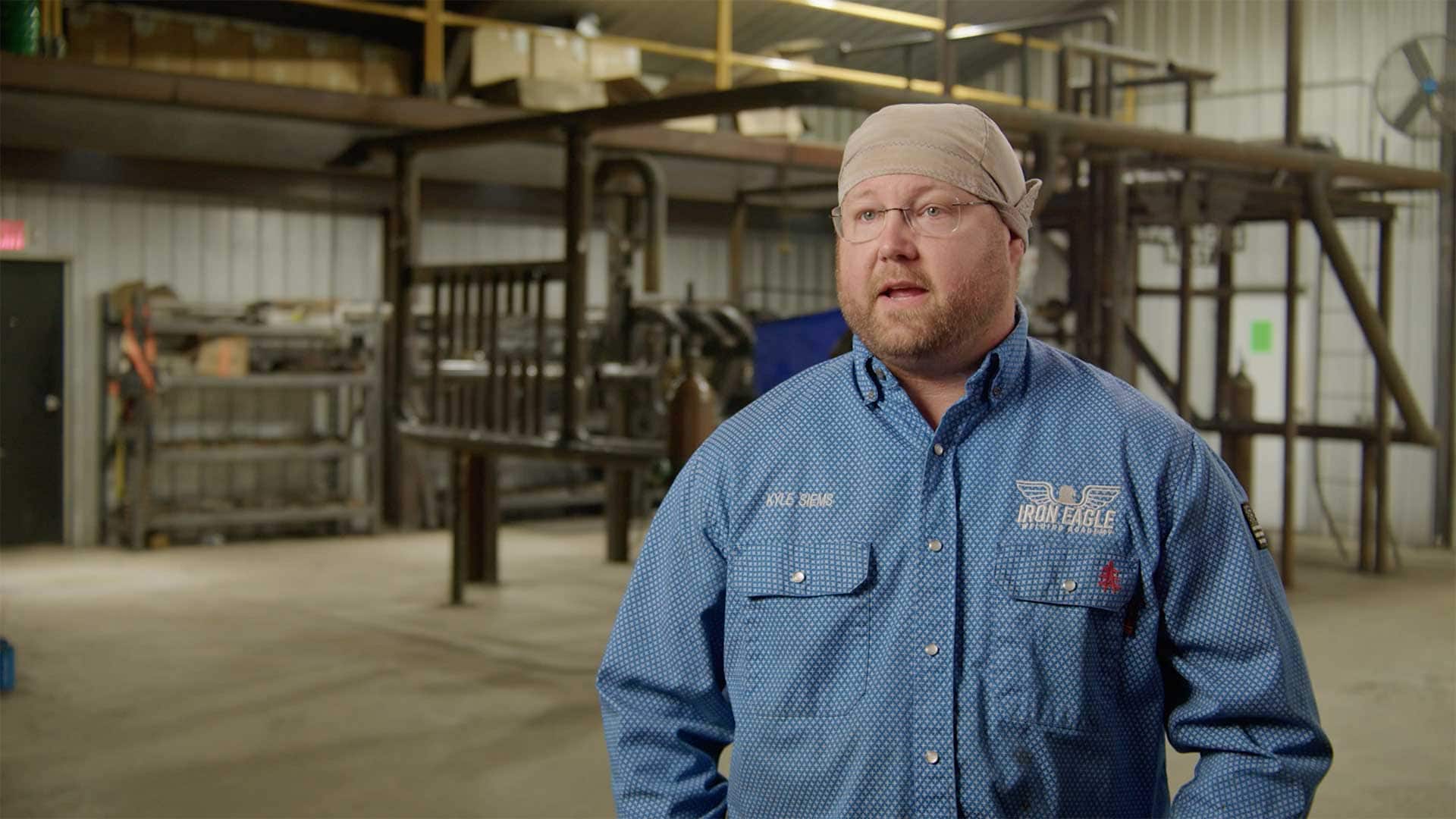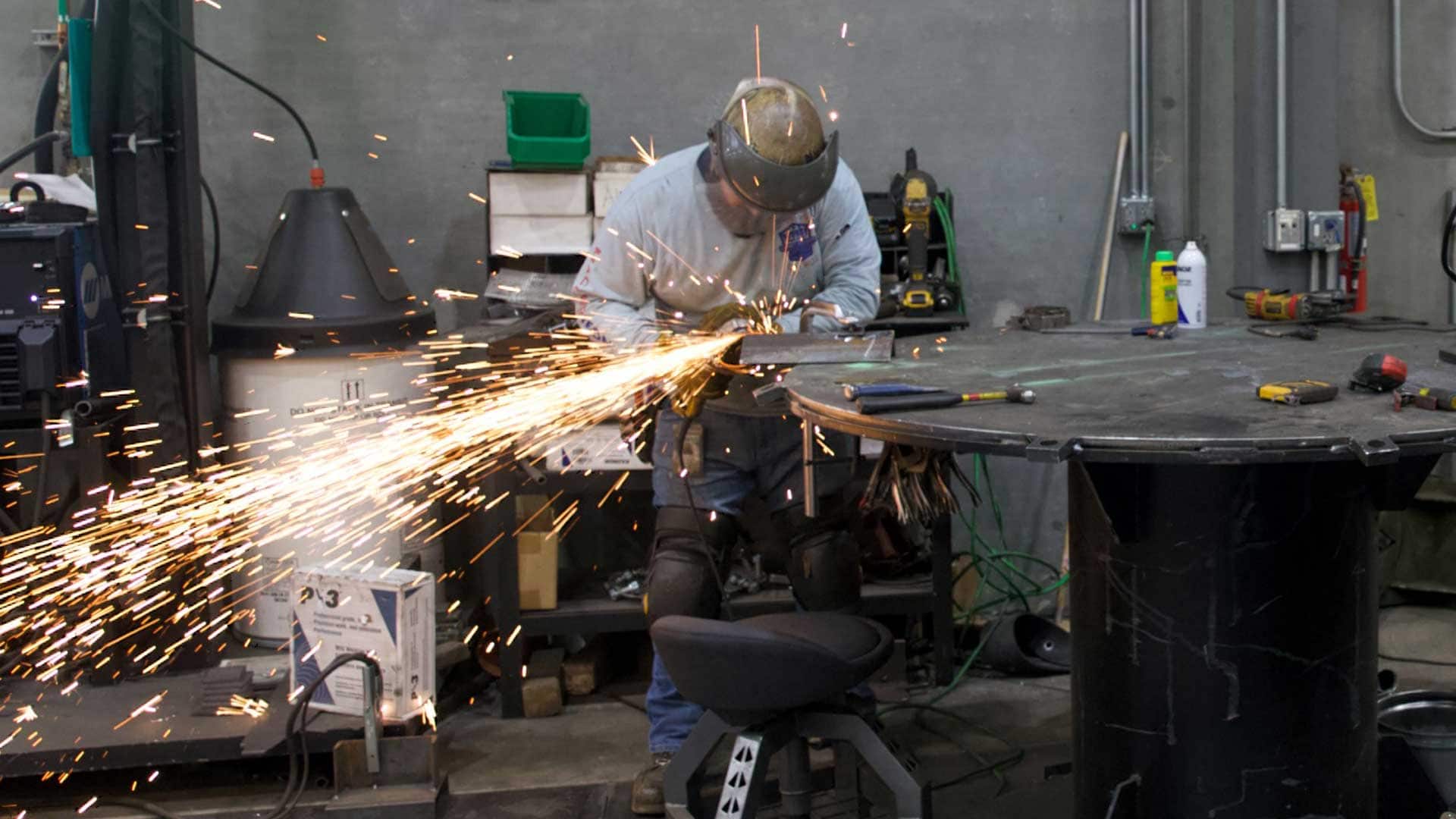
A global shift is underway that is impacting the U.S. workforce. The convergence of accelerating retirements, new technology implementation, restructuring and reshoring supply chains, and the emerging critical skills shortage is transforming the future of work and redefining where and how work happens.
Workforce availability remains the largest limiting factor for reshoring and U.S. production growth. According to the 2025 Reshoring Survey of 500 U.S. manufacturers, the top trigger for increased reshoring is having an abundant, highly skilled U.S. workforce.
The choice of where to manufacture is no longer based on cheap labor or price alone but rather on an online Total Cost of Ownership (TCO) Estimator comparison followed by investment considerations in automated production systems to narrow or close the cost gap. Manufacturers should start by doing the math correctly. In many cases, investing in a domestic automated factory may make more economic sense than offshoring to a low-cost country.
Once the economics are clear, the focus should shift to maximizing operational performance by identifying the system constraints that limit output across the operation. Targeted investments in technology should be directed at improving throughput at these bottlenecks. Building on the TCO perspective, the four steps below provide a practical framework for developing a skilled, resilient workforce that supports successful reshoring.
Step 1: Attract and retain workers
Companies that adapt best will likely combine several stabilizing strategies with new technology.
- Attract young people by using keywords that candidates would use in an online job search.
- Share authentic manufacturing experiences through social media platforms like TikTok and Instagram to highlight actual skilled technician experiences.
- Promote data showing that skilled manufacturing worker incomes are equivalent to the average bachelor’s degree holder, but without the tuition. They start to earn at age 18 instead of 22 or 23 – thus a higher lifetime income.
- Stabilize education costs through tuition reimbursement, apprenticeships, and vocational and certification sponsorships.
- Offer career progression opportunities. Partner with schools and host tours and mentorship programs. Apprenticeships, CTE courses and internships offer students a trusted pathway to well-paying careers.
- Diversity, equity and inclusion continues to be a key influencer for the Gen Z (70 percent) and Millennial (63 percent) cohorts.
- Support working parents with flexible schedules, paid parental leave and resources for navigating childcare.
Step 2: Capture institutional knowledge
The baby boomer workforce exit is triggering a massive loss of specialized expertise and institutional knowledge, initiating a serious labor shortage. This giant wave of retirements, or “silver tsunami,” is expected to leave up to 1.9 million jobs unfilled over the next decade, even before the increased demands to enable continued reshoring. Companies should take advantage of this knowledge.
- Implement knowledge-transfer programs that include mentorships, structured exit interviews and job shadowing.
- Video capture critical processes.
- Create searchable digital knowledge systems to transform “tribal” expertise into a permanently accessible asset.
- Use digital tools like AI, virtual reality and augmented reality to retain the institutional knowledge and expertise of retiring workers while accelerating workforce training.
Step 3: Align workforce development with new investments
Recent findings by Deloitte suggest that the highest ROI comes from combining workforce development with smart manufacturing investments. Companies should take action.
- Planning and coordination of machines, software, AI and workers into a synchronized system, also called orchestration, can unlock strong productivity gains of up to 60 percent.
- Ensure supervisors are trained and confident with any new automation technologies and understand equipment performance metrics.
- Demonstrate loyalty to the workforce and community by investing and reshoring.
Step 4: Build the U.S. workforce for the technological era
Experts recommend companies focus on several priority actions to build a workforce that can thrive alongside new technologies.
- Identify and define future-critical skills and redesign roles.
- Train leaders in real-time data-driven metrics; i.e., build a culture where decisions are supported by actual data.
- Upskill technicians in preventative maintenance and diagnostics to reduce downtime and avoid costly disruptions.
- Promote collaboration and continuous learning.
Manufacturers investing in AI, machine learning, smart operations and connected technologies will need workers trained in:
- Data interpretation and collaboration with automated systems.
- Troubleshooting digital equipment.
- Interpreting real-time decision-making insights.
- Using automation and AI to augment human ability.
The goal of human-automation collaboration models should not be to replace workers but rather to create a workforce that is empowered by technology for optimum efficiency.
Ready to Reshore?
Are you thinking about reshoring? Are you ready to narrow the cost gap and reshore? Click here to access the full list of reshoring resources offered by the Reshoring Initiative. For help, contact me at 847-867-1144 or harry.moser@reshorenow.org.
This article was originally published by Fab Shop Magazine Direct and was republished with permission from The Reshoring Initiative.