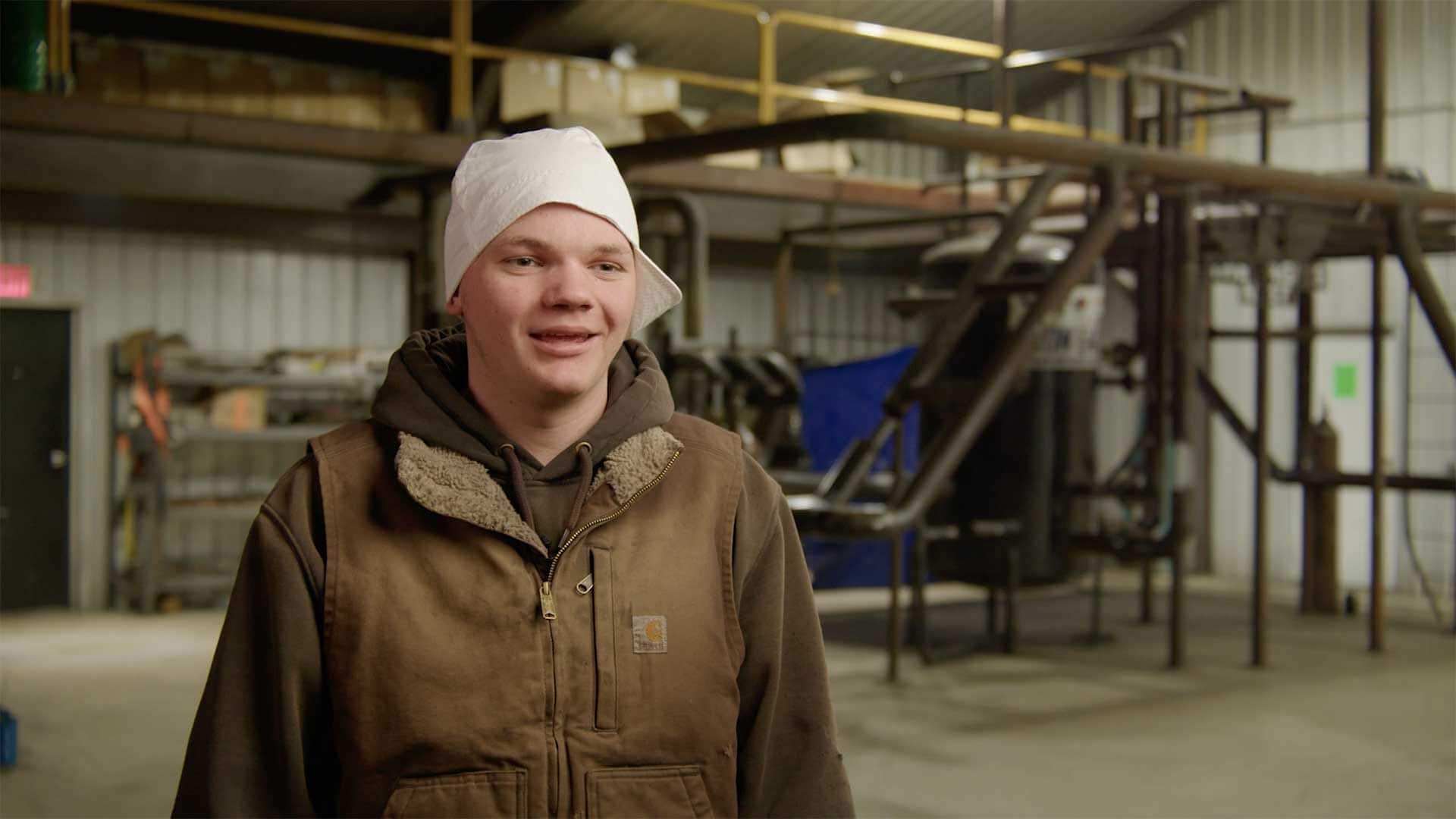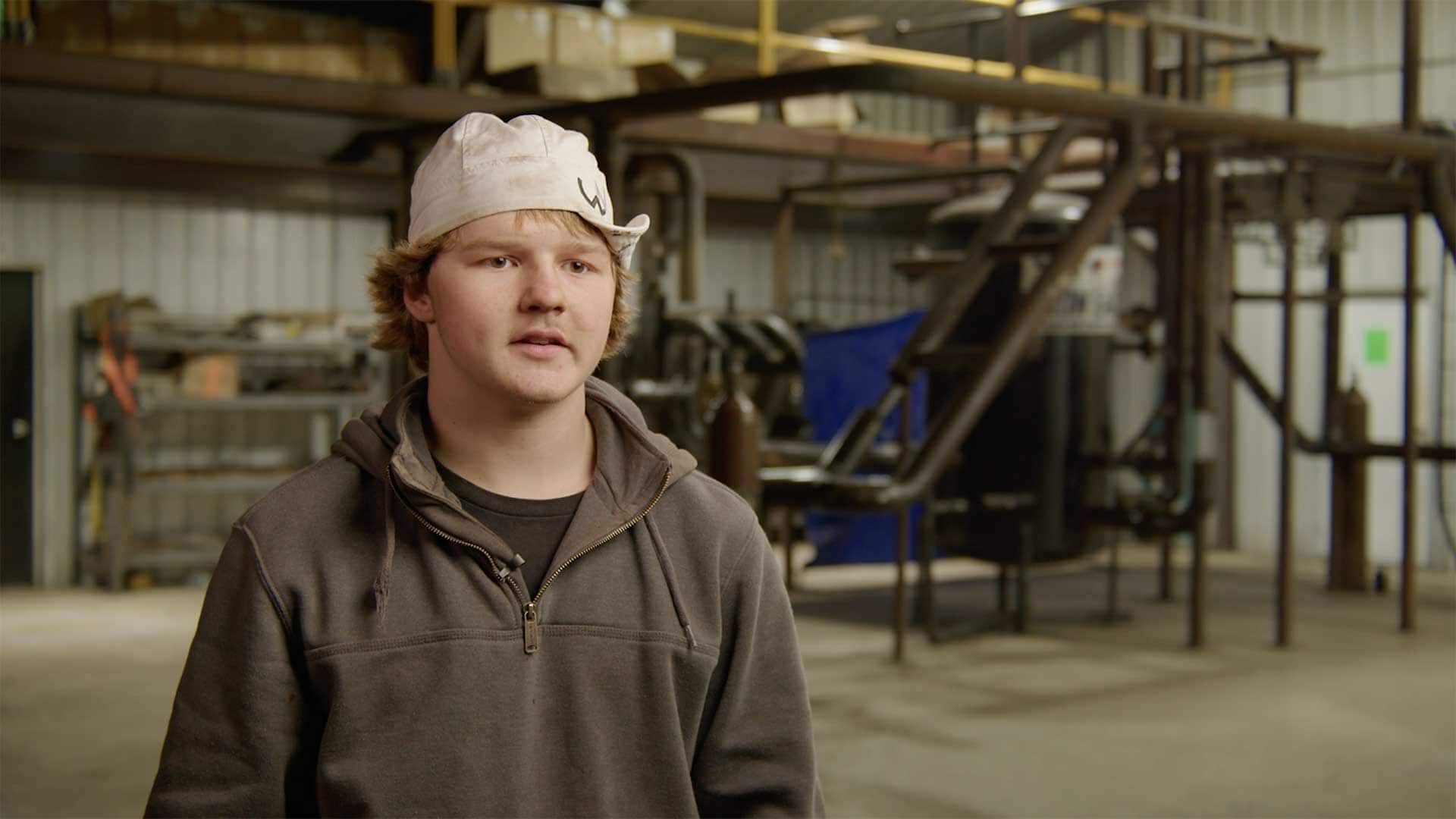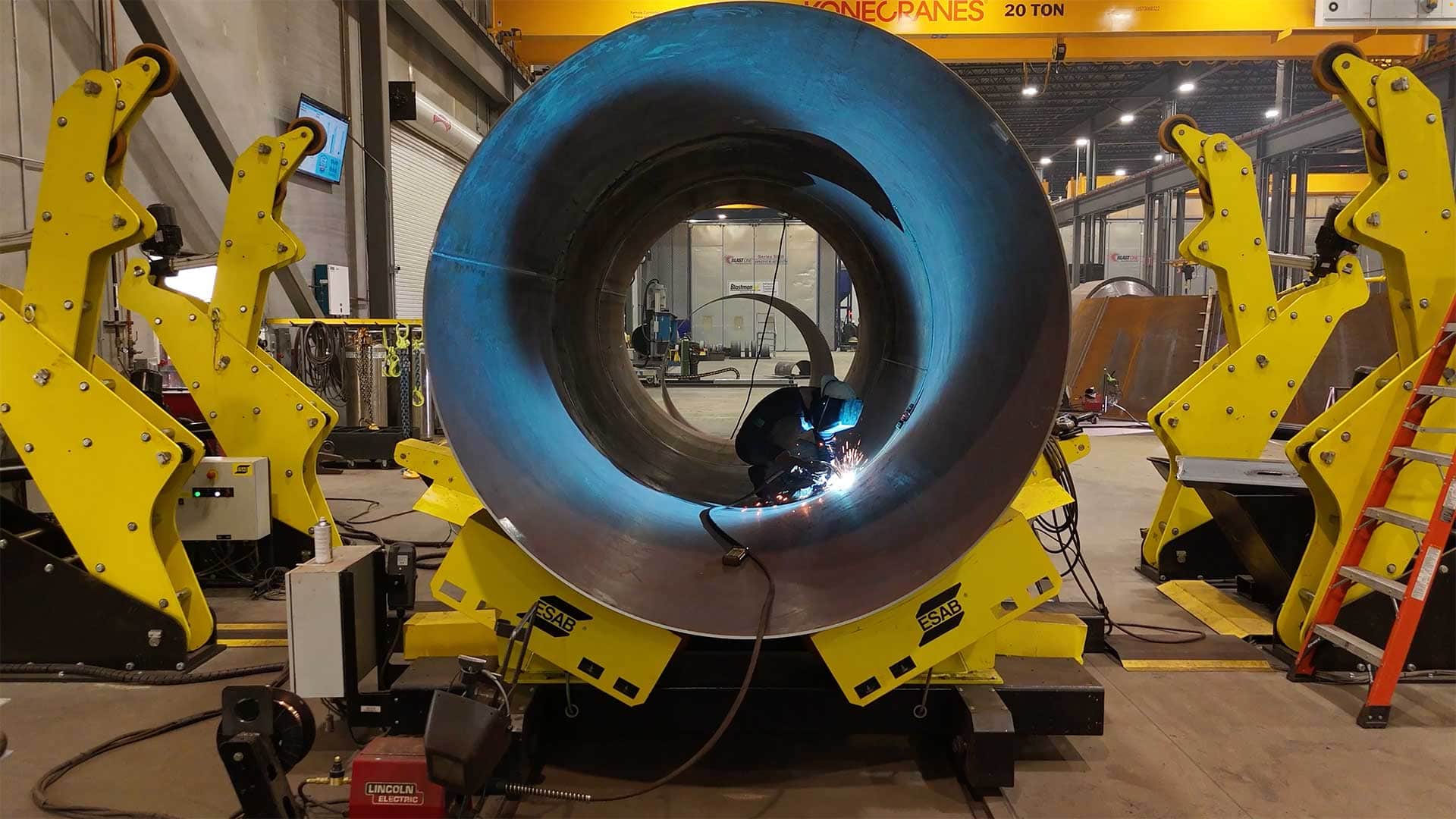
Welding was always the backup plan for Kyle Siems—until it became the best decision he ever made.
At 19 years old, Kyle found himself at a crossroads. College was not the right fit, and after stepping away, he turned to welding school—something he had always kept in the back of his mind as another option.
He has never looked back.
“I started out when I was 19 years old. I was a college dropout. Welding school was always my backup plan. And I’ve not regretted that day since.”
Today, after years in the trade and more than eight years teaching welding, Kyle helps the next generation discover the same opportunities that changed his life.
Unlimited Career Paths
One of the first things Kyle emphasizes to students is that welding is not just one job—it is an entire industry filled with possibilities.
“The options for career choice in the welding field are unlimited,” he said.
From structural steel and pipelines to boilermakers, nuclear plants, and inspection roles, welding offers multiple career paths depending on a person’s interests and goals. Some students head straight into union work, while others move into highly specialized areas like certified welding inspection later in their careers.
For those willing to travel, the opportunities grow even larger.
“You can have the opportunity to see the world if you’re willing to travel,” Kyle said. “The jobs are there—from west coast to east coast, north and south.”
Building Skills Through Hands-On Training
At Iron Eagle Welding Academy, students work through a 14-week program, with the option of an additional four-week downhill specialty course.
Kyle explained that every student moves at their own pace. There is no rigid timeline—progress depends on mastering each skill before moving forward.
“If we think they’ve got it and can do it multiple times, then we’re moving them on to the next step,” he said.
Training starts with the fundamentals: flat overlapping beads, maintaining tight arc length, steady travel speed, and consistency in the weld puddle. From there, the work becomes progressively more advanced.
The instruction is highly hands-on.
“When that student is in their booth welding, you’re constantly in there letting them know what they need to do to change something,” Kyle explained.
Sometimes that means physically guiding a student’s hand to help them understand movement, pedal control, or positioning. The goal is not just to teach welding—it is to build confidence through repetition and correction.
More Than Certifications
Students entering the program with no prior welding experience can leave with anywhere from two to five certifications, covering everything from stick welding to MIG, flux core, and TIG root combinations.
Those certifications matter because many employers require them.
“It’s going to get your foot in the door a little bit better,” Kyle said. “If you’re able to have proof of that, it’s going to get you further quicker.”
But technical skills are only part of what matters.
Kyle also focuses heavily on helping students develop the work ethic needed to succeed in the field.
Some students arrive with strong discipline already in place. Others have never worked a full-time job.
“We try and instill that into them,” he said.
Attention to Detail Matters
According to Kyle, becoming a good welder starts with a few core traits: attention to detail, consistency, and strong hand-eye coordination.
“Attention to detail is what they really need to have to be a good welder in the field,” he said.
He often jokes that baseball players make great welders because of the hand-eye coordination involved.
Interestingly, students with no prior welding experience sometimes progress faster than those who have welded before.
“What I always tell the kids that haven’t welded before is—you don’t have any bad habits yet,” Kyle said.
Starting fresh can sometimes make learning easier.
College Is Not the Only Path
Kyle is passionate about helping young people understand that success does not have to follow a traditional college route.
“When I was in school, they pushed college really hard,” he said. “I once had somebody tell me I wasn’t going to make anything of myself if I didn’t go to college.”
That advice turned out to be wrong.
College was not the right fit for him, but welding school gave him a career, stability, and a future he is proud of.
“One of the best decisions that I ever made was to go to welding school.”
For Kyle, the lesson is simple: there is more than one path to success—and for many people, the skilled trades may be the right one.